If you’ve ever driven through a suburban neighborhood at night and noticed every streetlight staying bright, or had your laptop charge seamlessly during a thunderstorm, you’ve relied on a pad mounted transformer—even if you didn’t know it. For 12 years, I’ve built and sold these units as part of a small team specializing in medium-voltage power distribution, and I can tell you that the biggest shift we’ve seen in recent years isn’t just how we build these transformers, but how we monitor them once they’re installed. Back in 2011, when I started in this industry, a utility would call us at 2 a.m. to report a dead streetlight, and we’d send a crew out to dig up the transformer and cross their fingers that the problem was obvious. Now? We can pull real-time data from that same unit without even stepping foot on the property. That’s the remote monitoring capability of a modern pad mounted transformer, and it’s changed how utilities operate, cut down on costly downtime, and saved us from a lot of middle-of-the-night stress. Let’s break this down the way I explain it to every utility customer who asks: no jargon, just real-world stuff that matters. Pad Mounted Transformer
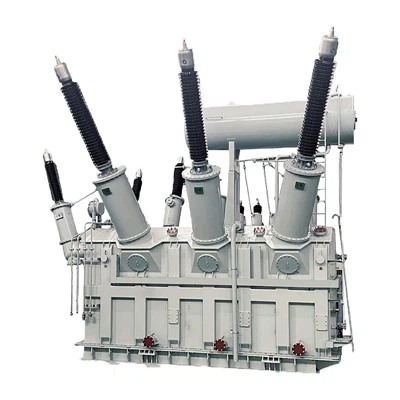
First, let’s start with the basics: what a pad mounted transformer even is, for anyone who might be new to this. It’s that gray, locked metal box sitting on a concrete pad at the edge of a neighborhood or industrial park, step-down power from the local utility’s high-voltage lines (usually 12kV to 35kV) down to the low-voltage power that runs to homes, businesses, and streetlights. Before remote monitoring, the only way to check if one was working was to either send someone to physically open it up, which takes time and costs money—especially if it’s a remote area—or wait for a customer to report an outage. That reactive approach meant outages could last hours, even days, and by the time a crew got there, they were often guessing at the problem. Remote monitoring flipped that script entirely.
At its core, remote monitoring for pad mounted transformers is a system of small, rugged sensors that plug into (or mount to) the unit, a communication gateway that sends data somewhere, and a dashboard that utility teams can log into from their phone or laptop. The sensors track three main types of data, and I’ve seen every single one of these catch a problem before it turned into a full outage. Let’s go through them one by one, because this is where the real value hits home.
The first is electrical performance data. That means things like load current, voltage levels (both incoming and outgoing), power factor, and energy usage. A few years back, we sold a unit to a city-owned utility in central Illinois that serves a small suburban neighborhood built around a new strip mall. The transformer was rated for 500kVA, but the mall’s coffee shops and restaurant chains were adding more refrigerators, ovens, and AC units faster than anyone planned. Our remote sensors picked up that the load on the transformer was hitting 480kVA, at 98% of its maximum capacity, for three straight weeks—something the utility’s manual spot checks missed because they only checked units once a month. They scheduled a proactive upgrade a week before the transformer would have overheated, which would have taken out half the strip mall during peak summer heat. That’s the kind of thing remote monitoring does: it catches slow, steady problems that you can’t see with a quick once-over.
The second set of data is thermal monitoring. Transformers generate heat when they’re working, and too much heat is the number one killer of these units—high temperatures break down the insulation inside the windings, leading to short circuits or total failure. The sensors here track both the top oil temperature (most transformers have mineral oil or ester fluid to cool the windings) and the surface temperature of the transformer casing. A few months ago, we had a customer in Ohio with a unit near a tree line where a large branch had been leaning on the transformer for months. The branch wasn’t heavy enough to trip the unit or show up in electrical data, but it was blocking airflow around the casing, making the transformer run 15 degrees hotter than normal. The thermal sensor picked that up, sent an alert, the utility sent a crew to trim the branch, and the unit kept running without a single outage. If they’d waited for a customer to report warm outlets, the insulation would have degraded enough to cause a blackout—costing thousands in lost sales for local businesses and overtime for the crew.
The third key set of data is event and fault detection. This is the stuff that alerts you when something has already gone wrong, but way faster than a customer calling. Sensors track things like lightning strikes (which are a huge cause of transformer damage, especially in the South), short circuits on the low-voltage side, even tampering—we’ve had units where scrap metal thieves tried to cut the casing open, and the sensor sent an alert within 30 seconds, so the local police got there before anyone could steal any parts. A few years back, a thunderstorm in Texas knocked out power to a neighborhood, but our remote monitoring system showed that the fault was on the secondary side of one of our transformers, not the main line. The utility sent a small crew to fix just that one unit, instead of sending half their department to check every line. The outage was only 45 minutes, compared to the average 6 hours for that area after storms.
Now, I know what some of you are thinking: this sounds complicated. How do I actually get this set up, and is it worth the cost? Let me be clear: it’s not. When we sell a pad mounted transformer with remote monitoring, we don’t just hand over a box and a dashboard. We work with the utility’s existing communication systems—most use cellular or dedicated radio networks, which is all we need, no expensive new infrastructure. The gateways are small, weatherproof, and mount right on the transformer, so there’s no digging or rewiring needed. The dashboard is simple—we customize it for each customer, so they only see the data they care about. A small town with 20 transformers doesn’t need a complex enterprise system; they get a basic dashboard that shows temperature and load. A larger city with 2,000 units can set up custom alerts: “text me if load on any unit is over 90% for more than 2 hours” or “email the maintenance team if lightning is detected within 1 mile of a downtown transformer.”
But here’s the thing I don’t always get to say: remote monitoring isn’t just about fixing problems faster. It’s about making utilities smarter. Before these systems, utilities had to schedule routine maintenance every 2 to 3 years for all transformers, regardless of how they were performing. That’s a waste—you’re paying a crew to dig up and check a unit that’s working perfectly fine, instead of focusing on the ones that need attention. With remote monitoring, utilities can switch to a condition-based maintenance model: only send a crew to check a transformer if the data shows a problem. One of our customers in Michigan told us this cut their maintenance costs by 32% in the first year after installing remote monitoring. That’s not a small number—that’s money they can put toward upgrading older lines or adding renewable energy infrastructure.
I also want to talk about reliability, because that’s what everyone cares about most. A 2023 study by the Edison Electric Institute, which represents U.S. investor-owned utilities, found that utilities using remote monitoring on pad mounted transformers saw a 40% reduction in unplanned outages and a 25% drop in transformer-related failures. Those numbers aren’t made up—they come from actual utility data, and we’ve seen the same results with our own customers. For residential customers, that means fewer blackouts, less downtime for work or school. For commercial customers, that means not losing thousands of dollars in inventory or sales during an outage. For municipalities, that means streetlights staying on at night, which is a safety issue for pedestrians and drivers.
Now, let’s be honest: remote monitoring isn’t for every single pad mounted transformer. If you have a small unit in a remote area with no cellular service, it might not make sense. But for 90% of the units we sell—suburban neighborhoods, commercial districts, industrial parks—it’s a game-changer. And technology keeps getting better: we’re starting to add sensors that track partial discharge, which is tiny electrical leaks inside the transformer that are early signs of failure, months before they cause a problem. Next year, we’ll launch a system that integrates with weather data, so utilities can get alerts if a heatwave or storm is going to put extra stress on their transformers, letting them prepare in advance.
As a supplier, what I try to bring to this isn’t just a product—it’s support. Too many vendors sell a transformer and then disappear. Our team stays in touch with customers after installation: we help them set up their dashboard, adjust alerts as their needs change, and provide support if they have questions about the data. Last winter, a customer in Minnesota had a cold snap that pushed all their transformers to near maximum load. They logged into their dashboard at 2 a.m. and saw a unit with a frozen cooling line, and our support team walked them through resetting it over the phone, no crew needed. That’s the kind of value that doesn’t show up in specs, but matters a lot.
If you’re a utility manager, a town engineer, or anyone responsible for power distribution, I get that change is hard. You’ve been doing things a certain way for years, and it’s easy to stick with what you know. But the reality is that power demands are only going to go up—more electric vehicles, more home AC units, more businesses adding equipment. The old reactive model of fixing outages after they happen isn’t going to work anymore. Remote monitoring for pad mounted transformers isn’t just a nice-to-have—it’s the tool that lets you keep the lights on, save money, and prepare for the future.
I’ve been in this industry long enough to have seen the bad days: the 3 a.m. calls about outages, the broken transformers that cost a fortune to replace, the angry customers. The good days are when we get a note from a customer saying that our remote monitoring system stopped a big problem before it caused an outage. That’s why we focus on this. We don’t just build boxes that step down power—we build systems that make power more reliable.
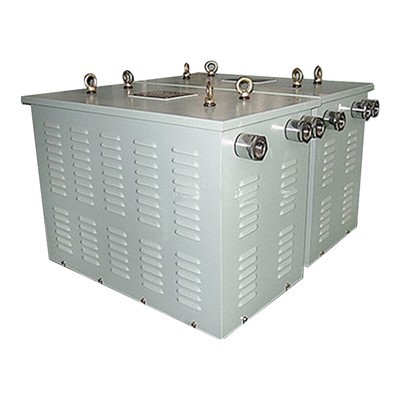
If you’re ready to talk about how remote monitoring can work for your pad mounted transformers, or just have questions about what it can do for your operation, we’re here to help. We work with utilities of all sizes, from small towns with a dozen units to large cities with thousands, and we’ll tailor a solution that fits your needs and budget.
Dry Type Transformer References:
- Edison Electric Institute. (2023). “Condition Monitoring for Distribution Transformers: Reducing Outages and Maintenance Costs.” EEI Technical Report.
- International Electrotechnical Commission. (2021). “Remote Monitoring Standards for Pad-Mounted Power Transformers.” IEC 61869-11:2021.
- U.S. Department of Energy. (2022). “Modernizing Distribution Infrastructure: The Role of Sensor-Based Monitoring.” DOE Office of Electricity Delivery and Energy Reliability Report.
- North American Electric Reliability Corporation. (2023). “Distribution System Reliability Metrics: Trends and Best Practices.” NERC Bulletin 2023-02.
Nantong Yawei New Energy Technology Co., Ltd.
As one of the most professional pad mounted transformer manufacturers and suppliers in China, we’re featured by quality products and good service. Please rest assured to wholesale durable pad mounted transformer made in China here from our factory. Customized orders are welcome.
Address: Room 28-101, Building 27 and 28, No.333 Kaiyuan Avenue, Sunzhuang Subdistrict, Hai’an City, Nantong City, Jiangsu Province, China
E-mail: admin@nantongyawei.com
WebSite: https://www.nantongyawei.com/
