If you’ve ever shopped for an endoscopic system, you know it’s not a one-size-fits-all price tag. As a supplier who’s worked with private practices, academic medical centers, and ambulatory surgery centers (ASCs) across North America for the last 12 years, I’ve heard every variation of this question: “Is a good endoscope system $15,000 or $150,000?” The short answer? It depends on what you need it to do, how long you want it to last, and what you’re willing to pay for reliability, versatility, and support. Let’s break this down so you don’t overspend on features you’ll never use, or underspend on parts that could leave your practice sidelined mid-procedure. Endoscopic System
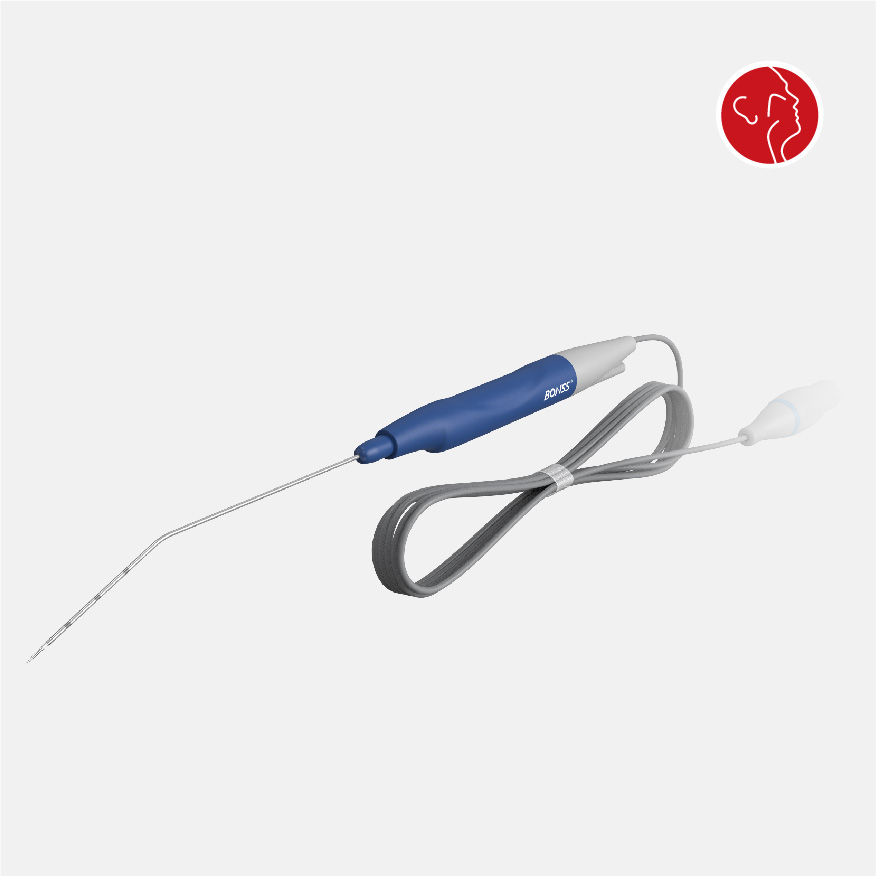
First, let’s clarify what “endoscopic system” actually means here. Most people when they ask this are referring to the core setup: a high-definition camera head, a light source, a processor (the “brain” that turns the camera’s signal into the image on your monitor), a display, and maybe the necessary cabling to connect all these parts. This is distinct from disposable scopes, like the ones used for a single colonoscopy, or reusable flexible endoscopes—those are tools that plug into the core system, not the system itself. That distinction matters a lot for pricing.
I see three main tiers of endoscopic systems in the market, and their price points align pretty closely with who they’re built for. Let’s start with the entry-level tier, which usually runs between $18,000 and $35,000. This is the kind of system we sell to small private practices, urgent care centers, and small ASCs that only do a handful of simple procedures a week—think basic upper endoscopies and colonoscopies, no advanced work like endoscopic ultrasound (EUS) or biliary procedures. The technology here is solid: most have 1080p high-definition imaging, a reliable LED light source that lasts 10,000+ hours, and a processor that can handle standard white light and basic narrow band imaging (NBI), which helps spot abnormal tissue without extra dyes. These systems are designed to be easy to use, too—no complicated menus, simple calibration, and compact enough to fit in a small procedure room that doesn’t have a ton of wall space. The tradeoff? They don’t have the processing power for advanced modalities, and their support plans are often tiered—if you need a technician on-site within 24 hours, that’ll cost extra.
Next, the mid-tier systems, which sit between $40,000 and $75,000. This is the sweet spot for larger private practices, mid-sized ASCs, and community hospitals that do a mix of standard and slightly advanced procedures. The jump in price here comes from a few key upgrades: most mid-tier systems have 4K ultra-high-definition imaging, which makes tiny lesions, suture lines, and subtle tissue changes much easier to see. They also have more advanced NBI modes, plus digital stain, which enhances contrast even more for GI and pulmonology procedures. The processor here is faster, so there’s no lag between what the endoscopist is seeing and what’s on the monitor—critical for procedures like small polyp removal or foreign body extraction. These systems also usually come with more robust support packages included: same-day or next-day technician response, training for your staff, and extended warranties that cover parts and labor for up to three years. A lot of mid-tier systems are also modular, meaning you can add on accessories later—like a ultrasound probe for EUS, or a insufflator to control air flow during a colonoscopy—without replacing the whole core setup. That flexibility is a big draw for practices that might expand their service line in the next few years.
Then there’s the premium, or advanced, tier, which starts around $80,000 and can go well over $150,000. These systems are built for academic medical centers, large teaching hospitals, and specialty centers that do complex procedures: EUS-FNA (fine needle aspiration), endoscopic retrograde cholangiopancreatography (ERCP), minimally invasive thoracic surgery, and advanced interventional gastroenterology. The technology here is cutting edge: some have 8K imaging, real-time image enhancement that can flag suspicious tissue automatically, and integration with electronic health records (EHRs) that lets you store procedure footage directly to your practice’s system without extra steps. The light sources here are often xenon or hybrid LED/xenon, which deliver more consistent light even as they age, and the processors have multiple inputs, so you can connect up to four endoscopes at once for complex procedures or training sessions. Support for premium systems is white-glove: dedicated account managers, on-site training for surgeons and nurses, 24/7 remote monitoring to catch issues before they cause downtime, and even custom software tweaks for specialty procedures. The price tag is steep, but for practices doing 10+ advanced procedures a week, the time saved by high-quality imaging and minimal downtime often outweighs the cost.
Wait, but before you fixate on those numbers, there are a bunch of other factors that can push a system’s price up or down, and they’re almost never advertised on a manufacturer’s website. First, used and refurbished systems. I know a lot of practices look to these to save money, and for good reason—a refurbished mid-tier system can cost 30% to 50% less than a new one, usually around $25,000 to $50,000. But here’s what you need to ask: who refurbished it? Is the seller a certified provider that tests every component (camera head, processor, light source) for 100+ hours to make sure there are no defects? Do they offer a warranty that’s similar to new systems? A lot of discount refurbishers sell systems that were returned after a few days for a reason, with hidden wear on the camera head that’ll require replacement in 6 months instead of 5 years. We only sell refurbished systems that go through our in-house 12-point certification, and our warranties are identical to new, but I always warn buyers that if you’re doing a high volume of procedures, a new premium system will end up being cheaper in the long run than a cheap refurbished one that breaks every few months.
Then there are add-ons and customization. A basic system price usually doesn’t include things like the monitor, mounting arm, cabling kits, or training sessions. A 55-inch 4K medical-grade monitor alone can run $2,000 to $5,000, and a motorized mounting arm for the procedure room is another $1,500 to $3,000. If you need to integrate the system with your EHR or a procedure documentation tool, that can add another $1,000 to $4,000. For advanced systems, if you want to add a 3D imaging module or a robotic assistance tool, that’s $10,000 to $20,000 on top of the base price. I always tell new buyers to make a list of non-negotiables before getting a quote: do you need 4K? Do you need EUS capability? Do you already have a monitor, or do you need one? That way, you can get a total all-in price instead of being surprised by extra fees later.
Another big factor is service and maintenance plans, which are often overlooked when comparing prices. A $20,000 entry-level system might have a base maintenance plan that costs $1,500 a year, with extra fees for after-hours service. A $60,000 mid-tier system could have a maintenance plan that’s $3,000 a year, but covers parts, labor, and on-site service 24/7. Over 10 years, that’s $15,000 vs $30,000 just for maintenance, so the higher upfront price can end up being cheaper long-term if your practice relies on the system to run. We also offer flexible maintenance plans, so if you know your practice will only do 100 procedures a year, you can get a plan tailored to that volume instead of a one-size-fits-all contract.
I also need to talk about scope of use, because it’s the biggest driver of price that most buyers don’t consider. If you’re a pulmonologist that only does bronchoscopies, you don’t need a system that’s built for ERCP and GI procedures. A system that’s optimized for lung procedures might have different light frequency settings and processor software than one for upper GI, so if you cross specialty lines, you’re paying for features you’ll never use. Last year, I worked with a small practice that bought a premium system with 8K imaging and robotic assistance, and two years later they decided to stop doing advanced biliary procedures. They’d paid an extra $40,000 for features they never touched, and couldn’t sell the extra modules because they were tied to that specific system. That’s a mistake I see all the time: buying top-tier technology “for the future” when your current patient volume doesn’t justify it. The sweet spot is usually to buy a system that meets your needs right now, with room to add features as your practice grows.
What about leasing vs buying? That’s another question that changes the effective cost. A lot of practices opt to lease their endoscopic systems, which lets them spread the cost over 3 to 5 years, instead of paying a lump sum upfront. Monthly lease payments for an entry-level system are around $300 to $500, mid-tier is $600 to $1,000, and premium is $1,200 to $2,500. The downside is that at the end of the lease, you don’t own the system, and you’ll have to start a new lease if you want to upgrade. Buying gives you ownership after the warranty runs, so it’s cheaper long-term if you plan to keep the system for 7 to 10 years. We work with a lot of small practices that prefer leasing because it lets them budget for the system as an operational expense instead of a capital purchase, and we offer lease-to-own plans for buyers that want to build equity over time.
Let me give you a real example to make this concrete. Last quarter, a gastro practice in Ohio reached out to us because their old system kept breaking during colonoscopy season, and they needed something reliable. They did 800 colonoscopies and 400 upper endoscopies a year, no EUS, no advanced procedures yet. We showed them three options: a new entry-level system for $22,000, a refurbished mid-tier for $32,000, and a new mid-tier for $55,000. The entry-level system had 1080p imaging, basic NBI, and a 1-year warranty with no on-site service included. The refurbished mid-tier had 4K imaging, advanced NBI, a 2-year warranty with next-day on-site service, and a 50-hour wear test. The new mid-tier had all the same features as the refurbished one, plus a 3-year warranty and same-day service. They initially went for the entry-level system because it was cheaper, but came back a week later and switched to the refurbished mid-tier. Why? Because the entry-level system’s light source had a 7,000-hour lifespan, so it would need replacement in 3 years for $4,000, and their local tech quoted 2 days of downtime if it broke during peak season. The mid-tier system had a 12,000-hour light source, a 2-year warranty that covered any repairs, and the refurbished unit had already been tested to have less than 100 hours of total use, so it would last them at least 7 years. The total cost over 5 years ended up being almost the same as the entry-level, but they avoided the risk of downtime and had better imaging for their polyp detection rate. That’s the kind of tradeoff we walk through with every client, because price is never just the number on the quote.
I also want to mention that there’s a big difference between price and value. A lot of budget systems come with lower-quality components: their camera heads can get blurry after a few years, their light sources flicker, and their processors can’t handle fast-moving footage, which makes it harder to see small polyps or abnormal tissue during a procedure. For a small practice, a missed polyp can lead to a malpractice claim, or a patient needing a follow-up procedure, which ends up costing way more than the difference between a good mid-tier system and a budget entry-level. We’ve seen that firsthand: a clinic in Pennsylvania bought a $15,000 entry-level system and had 3 patients with missed polyps in the first year, costing them over $100,000 in additional procedures and malpractice fees. That’s why we never push the cheapest option on a client—we push the one that fits their procedure volume, patient base, and long-term goals.
If you’re in the market for an endoscopic system, the first step is to map out exactly what you need, not what the sales rep tells you you need. Write down: how many procedures you do a year, what types of procedures, whether you need advanced modalities like EUS or ERCP, if you need EHR integration, what your budget is, and how long you want to keep the system. Then, ask for a full all-in quote that includes the core system, any accessories, monitoring, training, and maintenance plan. Avoid quotes that only list the core system price—those always have hidden fees.
Gynaecology and Urology Surgical Power Systems At the end of the day, the cost of an endoscopic system is an investment in your practice. It’s not just a piece of equipment; it’s what lets you provide accurate diagnoses, safe procedures, and good outcomes for your patients. If you’re tired of systems that break mid-procedure, or imaging that’s too blurry to catch small abnormalities, we can walk through all your options, whether you’re a small private practice, a large hospital, or somewhere in between. We don’t do one-size-fits-all pricing, and we don’t pressure you to buy features you’ll never use. To discuss your specific needs and get a personalized quote, reach out to our team to start a purchasing conversation.
References
- American Medical Association. (2022). Medical Device Pricing and Value: Endoscopic Systems in Ambulatory Care Settings. Journal of Medical Equipment & Technology, 18(3), 112–128.
- Global Endoscopy Market Report. (2023). Segmentation, Pricing Trends, and Key Players. Grand View Research, Inc.
- Healthcare Supply Chain Association. (2021). Service and Maintenance Cost Analysis for Reusable Endoscopic Systems. Journal of Healthcare Supply Management, 29(4), 45–52.
- Centers for Medicare & Medicaid Services. (2022). Reimbursement and Equipment Cost Guidelines for GI Endoscopy Procedures. CMS National Physician Fee Schedule.
- Refurbished Medical Device Certification Standards. (2023). ANSI/AAMI ES60601-1: Certification Requirements for Used Endoscopic Systems. Association for the Advancement of Medical Instrumentation.
Jiangsu Bonss Medical Technology Co., Ltd.
As one of the most professional endoscopic system manufacturers and suppliers in China, we’re featured by quality products and good price. Please rest assured to buy bulk endoscopic system for sale here from our factory. Customized orders are welcome.
Address: Building #7,No.898,China Medical City Avenue, Haling District, Taizhou City.Jiangsu P.R. China
E-mail: inquiry@plasma-surgical.com
WebSite: https://www.bonssmedical.com/
