In the dynamic landscape of modern industry, the term "Aerial Work Platform" (AWP) has become increasingly prominent. As a supplier deeply entrenched in this industry, I’ve witnessed firsthand the transformative power of these machines. But what exactly is an aerial work platform? In this blog, I’ll delve into the definition, types, applications, and benefits of AWPs, offering insights from my years of experience in the field. Aerial Work Platform

Defining Aerial Work Platforms
An aerial work platform is a mechanical device used to provide temporary access for people or equipment to inaccessible areas, usually at height. These platforms are designed to lift workers, tools, and materials to elevated positions safely and efficiently. They are equipped with a work platform, a lifting mechanism, and a control system, allowing operators to reach various heights and angles with ease.
The key characteristic of an AWP is its ability to elevate workers and equipment above ground level. This feature makes it an indispensable tool in a wide range of industries, from construction and maintenance to warehousing and event management. By providing a stable and secure working platform at height, AWPs help to improve productivity, reduce the risk of accidents, and enhance the overall efficiency of work processes.
Types of Aerial Work Platforms
There are several types of aerial work platforms, each designed to meet specific needs and applications. The most common types include:
Scissor Lifts
Scissor lifts are one of the most widely used types of AWPs. They feature a platform that is raised and lowered by a series of crisscrossing supports, similar to a pair of scissors. Scissor lifts are known for their stability and large platform capacity, making them ideal for applications that require a wide working area at a relatively low to medium height. They are commonly used in construction sites, warehouses, and maintenance projects.
Boom Lifts
Boom lifts, also known as cherry pickers, are equipped with a hydraulic arm that can extend and articulate to reach various heights and angles. They offer greater flexibility and reach compared to scissor lifts, making them suitable for applications that require access to hard-to-reach areas, such as tall buildings, trees, or utility poles. Boom lifts are available in different configurations, including telescopic booms and articulating booms, each with its own advantages and limitations.
Vertical Lifts
Vertical lifts, also called personnel lifts, are compact and lightweight AWPs that are designed to provide vertical access to elevated work areas. They are typically used for tasks that require a small working platform at a relatively low height, such as changing light bulbs, painting, or installing signage. Vertical lifts are easy to operate and maneuver, making them a popular choice for indoor applications and tight spaces.
Spider Lifts
Spider lifts are specialized AWPs that are designed for use in challenging terrain and confined spaces. They feature a compact design and narrow footprint, allowing them to access areas that are difficult or impossible to reach with other types of lifts. Spider lifts are commonly used in tree care, window cleaning, and maintenance of historic buildings.
Applications of Aerial Work Platforms
Aerial work platforms are used in a wide range of industries and applications, including:
Construction and Maintenance
In the construction industry, AWPs are essential for tasks such as building construction, renovation, and maintenance. They allow workers to access different levels of a building safely and efficiently, reducing the need for ladders and scaffolding. AWPs are also used for maintenance tasks, such as painting, window cleaning, and equipment installation.
Warehousing and Logistics
In warehouses and distribution centers, AWPs are used for tasks such as inventory management, picking, and stacking. They provide a convenient and efficient way to access high shelves and storage areas, improving productivity and reducing the risk of injuries.
Utilities and Telecommunications
In the utilities and telecommunications industries, AWPs are used for tasks such as power line maintenance, cable installation, and tower construction. They allow workers to access high poles and towers safely and efficiently, reducing the risk of accidents and improving the reliability of the infrastructure.
Event Management
In the event management industry, AWPs are used for tasks such as stage setup, lighting installation, and audio system maintenance. They provide a safe and stable platform for workers to access elevated areas, ensuring the smooth operation of events.
Benefits of Aerial Work Platforms
The use of aerial work platforms offers several benefits, including:
Safety
AWPs are designed with safety features such as guardrails, safety belts, and emergency stop buttons to protect workers from falls and other hazards. They also provide a stable and secure working platform at height, reducing the risk of accidents and injuries.
Efficiency
AWPs allow workers to access elevated areas quickly and easily, reducing the time and effort required to complete tasks. They also improve productivity by allowing multiple workers to work simultaneously on the platform.
Versatility
AWPs are available in a variety of sizes, configurations, and types, making them suitable for a wide range of applications and industries. They can be used indoors or outdoors, on rough terrain or smooth surfaces, and at different heights and angles.
Cost-Effectiveness
While the initial cost of purchasing or renting an AWP may be high, the long-term benefits of using these machines can outweigh the costs. AWPs can reduce labor costs, improve productivity, and prevent accidents, resulting in significant savings over time.
Conclusion
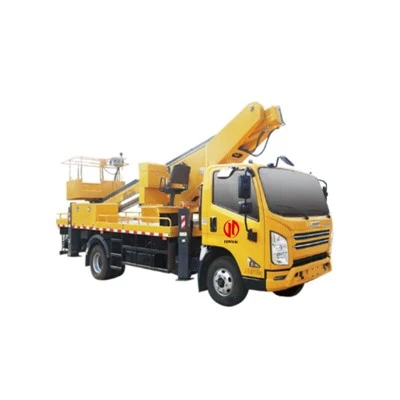
In conclusion, an aerial work platform is a versatile and essential tool for a wide range of industries and applications. As a supplier of AWPs, I understand the importance of providing high-quality products that meet the needs of our customers. Whether you’re working on a construction site, in a warehouse, or at an event, an AWP can provide a safe, efficient, and cost-effective solution for accessing elevated areas.
Hydraulic Rock Drill If you’re in the market for an aerial work platform, I encourage you to contact us to discuss your specific requirements. Our team of experts can help you choose the right AWP for your application and provide you with the support and service you need to ensure its successful operation.
References
- American National Standards Institute (ANSI). (2019). A92.22 – Safety requirements for self-propelled boom-type aerial work platforms.
- International Powered Access Federation (IPAF). (2020). Powered access safety rules.
- Occupational Safety and Health Administration (OSHA). (2019). Aerial lifts: safety bulletin.
Yantai Quanrui International Trading Co., Ltd.
As one of the most reliable aerial work platform manufacturers and suppliers in China, we’re featured by high quality customized products. Please rest assured to buy discount aerial work platform made in China here from our factory. Contact us for pricelist and quotation.
Address: No. 278, Sanya Road, Gaotuan Town, Fushan District, Yantai City, Shandong Province, China
E-mail: Info@quanjin1588.com
WebSite: https://www.qr1588.com/
