One of the most frequent questions I get as a supplier of board-to-board connectors is about the differences between board-to-board connectors and low-profile connectors. It’s a valid query, especially in an industry where precision and the right fit can make or break a project. In this blog, I’ll break down the key differences between these two connector types, their unique features, applications, and how they stack up against each other. Board-to-Board Connector
Understanding Board-to-Board Connectors
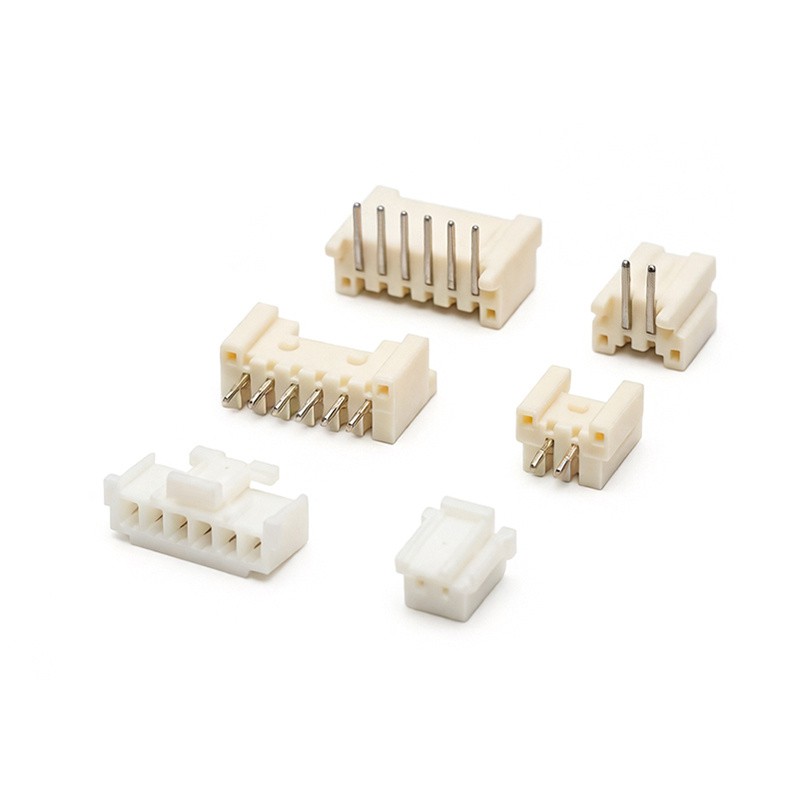
Board-to-board connectors are designed to connect two printed circuit boards (PCBs) together. They are crucial in modern electronic devices, enabling the transfer of power, signals, and data between different boards within a system. These connectors come in a variety of shapes, sizes, and configurations to meet the diverse needs of different applications.
One of the primary advantages of board-to-board connectors is their ability to provide a reliable and stable connection between PCBs. They are engineered to withstand mechanical stress, vibration, and environmental factors, ensuring consistent performance over time. This makes them ideal for use in high-reliability applications such as automotive electronics, aerospace systems, and industrial equipment.
Another key feature of board-to-board connectors is their flexibility in terms of connection distance and orientation. They can be used to connect PCBs that are parallel, perpendicular, or at an angle to each other, offering designers greater freedom in their product layouts. Additionally, board-to-board connectors are available in different pitch sizes, which refers to the distance between the centers of adjacent contacts. This allows for customization based on the specific requirements of the application.
Exploring Low-Profile Connectors
Low-profile connectors, on the other hand, are designed to minimize the height or thickness of the connector assembly. This makes them suitable for use in applications where space is limited, such as thin and lightweight electronic devices. Low-profile connectors are commonly used in smartphones, tablets, laptops, and other portable electronics.
The main advantage of low-profile connectors is their ability to save space. By reducing the height of the connector, designers can create more compact and sleek products without sacrificing functionality. This is particularly important in the consumer electronics market, where consumers demand smaller and more portable devices.
In addition to their space-saving benefits, low-profile connectors also offer good electrical performance. They are designed to minimize signal loss and interference, ensuring reliable data transmission even in high-speed applications. However, due to their smaller size, low-profile connectors may have lower current-carrying capacity compared to larger connectors.
Key Differences
Now that we have a better understanding of board-to-board connectors and low-profile connectors, let’s take a closer look at the key differences between them.
Physical Dimensions
The most obvious difference between board-to-board connectors and low-profile connectors is their physical dimensions. Board-to-board connectors are typically larger in size, as they are designed to provide a secure connection between two PCBs. They come in a variety of shapes and sizes, depending on the specific application requirements. In contrast, low-profile connectors are designed to be as thin and compact as possible, with a focus on minimizing the height of the connector assembly.
Application
Board-to-board connectors are commonly used in applications where a reliable and stable connection between PCBs is required. They are often found in automotive electronics, aerospace systems, industrial equipment, and other high-reliability applications. Low-profile connectors, on the other hand, are mainly used in consumer electronics, where space is limited, and a compact design is essential. They are commonly used in smartphones, tablets, laptops, and other portable devices.
Electrical Performance
Both board-to-board connectors and low-profile connectors offer good electrical performance, but they may have different characteristics depending on their design and application. Board-to-board connectors are typically designed to handle higher currents and voltages, making them suitable for power and signal transmission in larger systems. Low-profile connectors, on the other hand, are designed to minimize signal loss and interference, making them ideal for high-speed data transmission in smaller devices.
Mechanical Strength
Board-to-board connectors are generally more robust and can withstand higher levels of mechanical stress and vibration. This is because they are designed to provide a secure connection between two PCBs in a variety of environments. Low-profile connectors, on the other hand, may be more delicate due to their smaller size and thinner construction. They are typically used in applications where the connector is not subjected to excessive mechanical stress.
Cost
The cost of board-to-board connectors and low-profile connectors can vary depending on their size, complexity, and performance requirements. Generally, board-to-board connectors tend to be more expensive than low-profile connectors due to their larger size and higher current-carrying capacity. However, the cost of both types of connectors can be influenced by factors such as the quantity ordered, the manufacturing process, and the materials used.
Applications
Despite their differences, both board-to-board connectors and low-profile connectors play important roles in a wide range of applications. Let’s take a look at some specific examples of how these connectors are used in different industries.
Automotive Electronics
In the automotive industry, board-to-board connectors are used to connect various electronic components within the vehicle, such as the engine control unit (ECU), infotainment system, and sensor modules. These connectors need to be reliable and durable, as they are exposed to harsh environmental conditions, including high temperatures, vibrations, and moisture. Low-profile connectors, on the other hand, are used in applications such as dashboard displays and rearview cameras, where space is limited.
Consumer Electronics
In the consumer electronics industry, low-profile connectors are widely used in smartphones, tablets, laptops, and other portable devices. These connectors are essential for connecting the various components within the device, such as the battery, display, and camera module. Board-to-board connectors are also used in some consumer electronics products, such as gaming consoles and desktop computers, where a reliable and stable connection between PCBs is required.
Industrial Equipment
In the industrial equipment sector, board-to-board connectors are used to connect different modules and subsystems within the machinery. These connectors need to be able to withstand high levels of mechanical stress, vibration, and temperature variations. Low-profile connectors may be used in some industrial applications where space is limited, such as in small control panels or automation systems.
Conclusion

In conclusion, board-to-board connectors and low-profile connectors are two different types of connectors with distinct features and applications. Board-to-board connectors are designed to provide a reliable and stable connection between two PCBs, making them suitable for high-reliability applications. Low-profile connectors, on the other hand, are designed to save space and are commonly used in consumer electronics and other applications where size is a critical factor.
Board-to-Board Connector As a supplier of board-to-board connectors, I understand the importance of choosing the right connector for your application. Whether you need a high-reliability connector for an automotive or industrial application or a space-saving connector for a consumer electronics device, I can help you find the solution that meets your needs. If you have any questions or would like to discuss your specific requirements, please feel free to reach out to me. I look forward to the opportunity to work with you and provide you with the best board-to-board connector solutions.
References
- "Connectors Handbook", Conformity Publishing
- "Electronic Connector Design Handbook", ARC Electronics Press
- "PCB Design & Assembly", McGraw – Hill Professional
Wenzhou JKUN Connector Co., Ltd.
As one of the most professional board-to-board connector manufacturers and suppliers in China, we’re featured by quality products and low price. Please rest assured to wholesale bulk customized board-to-board connector from our factory. For quotation and free sample, contact us now.
Address: No.2667, Ningkang East Road, Yueqing City, Zhejiang Province, China
E-mail: sales@cnjkun.com
WebSite: https://www.jkunjcj.com/
