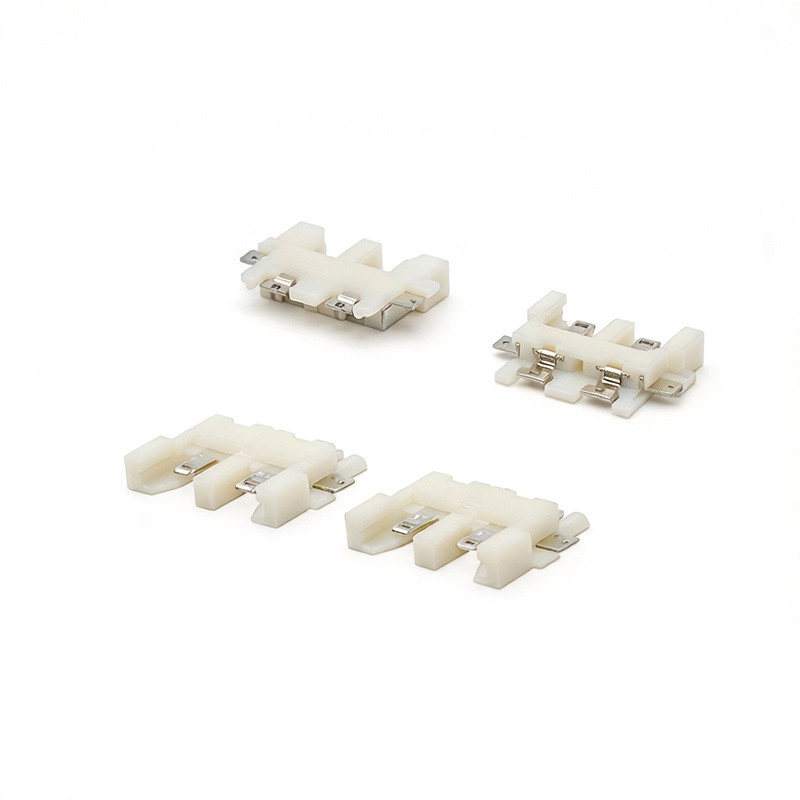
Selecting the right header connector is crucial for ensuring the reliable performance of electronic devices, especially when considering the environmental conditions in which they will operate. As a supplier of header connectors, I understand the challenges and requirements that come with making these decisions. In this blog post, I’ll guide you through the process of choosing a header connector based on various environmental factors. Header Connector
Temperature Considerations
Temperature is one of the most significant environmental factors that can affect the performance of header connectors. Extreme temperatures can cause the materials used in the connectors to expand or contract, leading to issues such as poor contact, mechanical stress, and even failure.
High – Temperature Environments
In high – temperature settings, such as industrial ovens, automotive engine compartments, or outdoor applications in hot climates, it’s essential to choose header connectors made from materials that can withstand elevated temperatures. For example, connectors with a high – temperature thermoplastic housing, like polyphenylene sulfide (PPS), can maintain their mechanical and electrical properties at temperatures up to 200°C or higher.
Metals used in the contacts also need to be carefully selected. Copper alloys with high – temperature resistance, such as phosphor bronze or beryllium copper, are often preferred. These materials can resist oxidation and maintain good electrical conductivity even at high temperatures.
Low – Temperature Environments
Conversely, in low – temperature environments, such as refrigeration units or outdoor applications in cold climates, the flexibility and brittleness of the connector materials become important. Some plastics can become brittle at low temperatures, increasing the risk of cracking. Connectors with a housing made from materials like polyamide (PA) or liquid crystal polymer (LCP) are more suitable as they can retain their flexibility at low temperatures.
The contact materials also need to be able to withstand the cold. Stainless steel contacts can be a good choice as they have good corrosion resistance and can maintain their mechanical properties in low – temperature conditions.
Humidity and Moisture
Humidity and moisture can have a significant impact on the performance of header connectors. Moisture can cause corrosion of the contact surfaces, leading to increased contact resistance and potential signal loss.
High – Humidity Environments
In high – humidity environments, such as coastal areas or indoor environments with high levels of moisture, it’s important to choose header connectors with good moisture resistance. Connectors with a sealed housing can prevent moisture from entering and protect the contacts. For example, connectors with an O – ring seal or a potting compound can provide an effective barrier against moisture.
The contact materials should also be corrosion – resistant. Gold – plated contacts are a popular choice as gold is highly resistant to corrosion. Tin – plated contacts can also be used, but they may require additional protection in high – humidity environments.
Condensation
Condensation can occur when there are rapid changes in temperature, especially in environments where the temperature fluctuates between hot and cold. This can lead to water droplets forming on the connector surfaces. To prevent the negative effects of condensation, connectors with a hydrophobic coating can be used. This coating repels water and reduces the risk of corrosion.
Dust and Dirt
Dust and dirt can accumulate on the connector surfaces, causing problems such as increased contact resistance and mechanical interference.
High – Dust Environments
In high – dust environments, such as construction sites, factories, or agricultural settings, it’s important to choose header connectors with a dust – proof design. Connectors with a sealed housing or a dust cover can prevent dust from entering and protect the contacts.
The contact design also plays a role in dust resistance. Contacts with a wiping action can help to remove dust particles during mating and unmating, ensuring good electrical contact.
Chemical Exposure
Header connectors may be exposed to various chemicals in different environments, such as solvents, acids, or alkalis. Chemical exposure can cause corrosion, degradation of the housing materials, and changes in the electrical properties of the contacts.
Chemical – Resistant Materials
When selecting a header connector for an environment with chemical exposure, it’s important to choose materials that are resistant to the specific chemicals present. For example, connectors with a housing made from polyvinyl chloride (PVC) or fluoropolymers like polytetrafluoroethylene (PTFE) are resistant to many solvents and chemicals.
The contact materials also need to be chemically resistant. Platinum – plated contacts are highly resistant to chemical corrosion, but they can be expensive. Nickel – plated contacts can also provide good chemical resistance at a lower cost.
Vibration and Shock
Vibration and shock can cause mechanical stress on header connectors, leading to issues such as loose contacts, broken pins, or damage to the housing.
Vibration – Resistant Design
In applications where there is significant vibration or shock, such as automotive, aerospace, or industrial machinery, it’s important to choose header connectors with a vibration – resistant design. Connectors with a locking mechanism, such as a screw – lock or a snap – lock, can help to prevent the connector from coming loose due to vibration.
The contact design should also be able to withstand vibration. Contacts with a spring – type design can maintain good contact even under vibration by providing a constant force.
EMI/RFI Considerations
Electromagnetic interference (EMI) and radio – frequency interference (RFI) can affect the performance of electronic devices by causing signal distortion or noise.
Shielded Connectors
In environments where there is a high level of EMI/RFI, such as near power lines, radio transmitters, or in industrial settings with large electrical equipment, it’s important to choose header connectors with a shielding mechanism. Shielded connectors can help to reduce the effects of EMI/RFI by providing a conductive barrier around the contacts.
The shielding can be made from materials such as copper, aluminum, or a combination of both. The shielding should be properly grounded to ensure its effectiveness.
Conclusion
Selecting the right header connector based on environmental conditions is a complex process that requires careful consideration of multiple factors. By understanding the specific environmental challenges that your application will face, you can choose a connector that will provide reliable performance and long – term durability.

As a header connector supplier, I have a wide range of products that are designed to meet the needs of various environmental conditions. Whether you need a connector for high – temperature, high – humidity, or high – vibration environments, I can help you find the right solution.
BMS Connector If you are in the process of selecting a header connector for your project, I encourage you to contact me for a detailed discussion. I can provide you with technical support, product samples, and pricing information. Let’s work together to ensure that your electronic devices perform at their best in any environment.
References
- "Connector Handbook" by The Interconnect Council
- "Environmental Considerations for Electronic Connectors" by TE Connectivity
- "Materials Selection for Electronic Connectors" by Molex
Wenzhou JKUN Connector Co., Ltd.
As one of the most professional header connector manufacturers and suppliers in China, we’re featured by quality products and low price. Please rest assured to wholesale bulk customized header connector from our factory. For quotation and free sample, contact us now.
Address: No.2667, Ningkang East Road, Yueqing City, Zhejiang Province, China
E-mail: sales@cnjkun.com
WebSite: https://www.jkunjcj.com/
