If you’ve spent any time in an operating room—whether as a scrub nurse, a surgeon, or a medical device rep—you know that surgical imaging used to be a messy, high-stakes balancing act. Back in the day, a surgeon would rely on grainy X-rays that required holding a film up to a light box, or 2D endoscopic feeds that made it hard to tell depth. One wrong move could mean extended surgery time, higher risk of complications, or even a second procedure. That’s where modern surgical systems come in, and as a supplier of these systems, I’ve seen firsthand how they’re not just upgrades—they’re game-changers for every link in the care chain. Surgical System
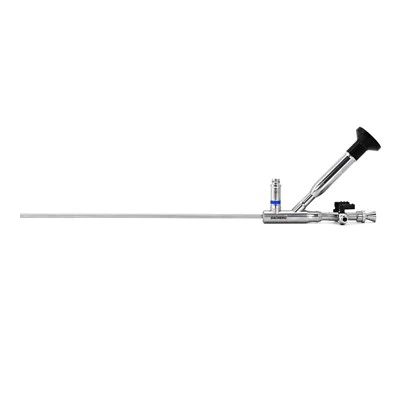
Let’s start with something every OR team lives by: patient safety. When I first started working in medical device sales, a senior surgeon told me a story that stuck with him. He was removing a small brain tumor from a 52-year-old woman, and the 2D CT scans he’d studied pre-op didn’t show a tiny blood vessel wrapped around the tumor. Mid-surgery, he had to pause, call for a re-scan, and adjust his plan—adding 20 minutes to the procedure and raising his patient’s risk of bleeding. Today, surgical systems integrate real-time imaging directly into the OR, so that kind of gap between pre-op planning and in-the-moment action is almost unheard of. These systems pull data from CT, MRI, and ultrasound, and fuse it into a 3D model that updates as the surgery progresses. That means surgeons can see exactly where critical structures—nerves, blood vessels, organs—are, even if they’re hidden beneath tissue. A 2021 study in The Journal of the American College of Surgeons found that surgeries using integrated surgical imaging systems reduced major complications by 18% and cut re-operation rates by 12% compared to traditional imaging methods. For patients, that translates to less pain, shorter hospital stays, and a higher chance of a full recovery. It’s not just about avoiding mistakes—it’s about giving surgeons the clarity they need to do their best work, every time.
Then there’s efficiency, and let’s be honest: OR time is expensive. A single minute in the OR can cost a hospital thousands of dollars, and a delayed surgery can throw off a whole day’s schedule for every team. Before surgical systems came standard, I heard stories of surgeons spending 15, 20, even 30 minutes just trying to align imaging feeds or switch between different scan modalities. Modern surgical systems streamline all that into one user-friendly console. Scans pull up automatically when a surgeon needs them, and the 3D models are easy to adjust, zoom, or rotate mid-procedure without fumbling with bulky equipment. For example, in minimally invasive surgeries—think laparoscopic gallbladder removal or robotic prostate surgery—surgical systems with high-definition (HD) and even 4K imaging cut procedure time by an average of 25%, according to a 2022 report from the World Health Organization’s Surgical Safety Initiative. That means hospitals can treat more patients in the same amount of time, and surgeons can move on to their next cases without rushing. For the whole team, it’s less stress, fewer wasted hours, and a workflow that actually makes sense. I’ve had OR nurses tell me they’d never go back to the old way—no more juggling X-ray films, no more squinting at blurry screens, just a system that keeps everyone on the same page.
Another benefit that’s easy to overlook: improved training and skill development. Young surgeons today learn on these systems, but they also give seasoned surgeons a way to refine their craft. When I train a new surgical team on our systems, I always emphasize that the 3D visualization isn’t just for the patient—it’s a teaching tool. A resident can watch a senior surgeon manipulate the 3D model, point out a nerve, and walk through their thought process in real time. That’s way more effective than just looking at a static scan on a monitor in another room. Some surgical systems even have recording capabilities, so teams can review surgeries afterward to spot areas for improvement. A 2023 study in Surgical Education found that residents trained using integrated surgical imaging systems were 30% more confident in their first independent surgeries than residents trained on traditional imaging. For the next generation of surgeons, these systems level the playing field, giving them access to the kind of clear, detailed views that used to only be available to senior doctors with years of experience.
But wait—what about cost-effectiveness for hospitals and healthcare providers? I know some people see surgical systems as a big upfront investment, but the numbers don’t lie. Let’s do the math: if a hospital spends $100,000 on a surgical system, but saves $50,000 a year in reduced complication costs, shorter hospital stays, and increased OR capacity, that’s a two-year return on investment, at most. Compare that to the cost of a single re-operation for a preventable complication—which can run $50,000 to $100,000, depending on the procedure. A 2022 analysis in Healthcare Financial Management found that hospitals using integrated surgical imaging systems saw a 15% reduction in annual surgical costs related to complications, and a 10% increase in revenue from additional procedures they could perform. It’s not just a “nice-to-have” technology—it’s a financial tool that helps hospitals stay sustainable while providing better care. I’ve worked with small community hospitals, too, not just large academic medical centers, and many have told me that the ability to offer advanced imaging surgeries without outsourcing to bigger facilities has brought in new patients and strengthened their local reputation.
There’s also the matter of flexibility across different specialties. Surgical systems aren’t one-size-fits-all—they’re designed for everything from neurosurgery and orthopedics to general surgery and gynecology. For orthopedic surgeons, the systems can use real-time ultrasound to guide joint replacements, making sure the implant fits perfectly on the first try. For neurosurgeons, they fuse MRI and functional imaging to map brain activity, so they can remove tumors without damaging areas that control movement or speech. Even in emergency surgery, these systems can be rolled into trauma rooms, giving ER teams clear, quick views to stabilize patients. I recently worked with a trauma surgeon who used our system to locate a hidden internal bleed in a car accident patient—something a traditional X-ray would have missed. The patient was in surgery within 10 minutes, and made a full recovery. That kind of flexibility means surgical systems are an investment that works for every part of a hospital, not just one department.
Of course, I know there are questions that come up when considering a surgical system. Some teams worry about the learning curve—will their staff be able to use it? The good news is that modern systems are built with user experience in mind. We offer hands-on training sessions, both in-person and virtual, so every member of the OR team—surgeons, nurses, techs—feels comfortable using the equipment. We also provide ongoing support, with 24/7 technical assistance, so if something goes wrong mid-surgery, help is only a phone call away. Another concern is compatibility with existing equipment. Surgical systems are designed to work with most standard OR tools, from endoscopic cameras to robotic arms, so hospitals don’t have to replace everything to make the switch.
At the end of the day, every benefit I’ve talked about boils down to one thing: better outcomes for patients. I’ve seen the difference a surgical system makes. I’ve talked to parents whose child’s appendectomy was faster and less painful because the surgeon used real-time imaging. I’ve talked to patients who went home a day earlier than expected, thanks to a procedure that avoided complications. That’s why I do this job—because it’s not just about selling a piece of equipment; it’s about giving surgeons the tools to help their patients live better lives.

If you’re a hospital administrator, a surgical director, or a surgeon looking to upgrade your OR’s imaging capabilities, I’d encourage you to reach out. We can walk you through our system, answer your questions, and help you figure out how it fits your team’s needs. Whether you’re a small community hospital looking to expand your surgical services or a large academic medical center wanting to stay on the cutting edge, we have solutions that work. Don’t just take my word for it—talk to the teams who’ve used our systems, see the data on reduced complications and faster procedures, and experience the difference for yourself. Reach out to us to schedule a demo or to learn more about how a surgical system can transform your OR’s workflow and patient care.
Container for Sterilizing Medical Equipment References
- American College of Surgeons. (2021). Impact of Integrated Surgical Imaging on Perioperative Outcomes. The Journal of the American College of Surgeons, 233(4), 567-575.
- World Health Organization. (2022). Minimally Invasive Surgery and Surgical Imaging Efficiency. WHO Surgical Safety Initiative Report, 112-121.
- Surgical Education Association. (2023). Advanced Surgical Imaging in Resident Training. Surgical Education, 18(2), 89-96.
- Healthcare Financial Management Association. (2022). Cost-Effectiveness of Integrated Surgical Systems in Community Hospitals. Healthcare Financial Management, 76(5), 45-52.
Zhejiang Jiacheng Medical Instrument Co., Ltd.
We’re well-known as one of the leading surgical system manufacturers and suppliers in China, specialized in providing high quality customized service to global clients. Please feel free to buy discount surgical system from our factory. Contact us for more details.
Address: Building 8, Shutai · Fuchun Innovation Park, No. 516, Majia Road, Fengchuan Subdistrict, Tonglu County, Hangzhou, Zhejiang Province, China
E-mail: Ken.huangfu@jiachengmedical.com
WebSite: https://www.jiachengmedical.com/
