As a wood shredder supplier, I field this question constantly, and it’s one that crosses the desks of everyone from small-scale furniture makers to large recycling operations. “Can a wood shredder be used to shred plastic along with wood?” The short answer is: yes—but only if you match the right shredder model, adjust your process correctly, and prioritize the health of your machine. Too often, people dismiss this idea as a waste of time, or take a “one-size-fits-all” approach that leads to broken blades, jammed chambers, or lost productivity. After 12 years working with wood shredders (first as a technician, then as a supplier), I’ve seen both the wins of mixing materials and the costly mistakes that come with cutting corners. Let’s break this down, no jargon, just real-world insight from someone who’s rebuilt more shredder blades than I can count. Wood Shredder
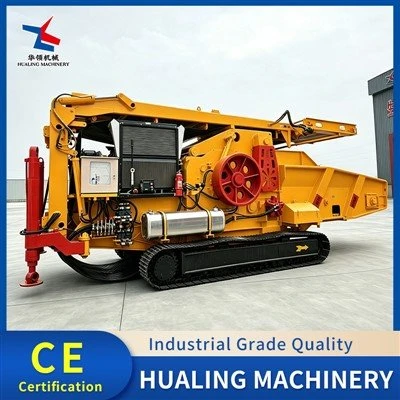
First, let’s get clear on what a wood shredder is designed to do. Most standard wood shredders—including the horizontal feed models we sell for pallet recycling, yard waste, and construction wood—have heavy-duty steel rotors, blunt-tipped (or tungsten carbide-coated) blades, and a torque system built to split dense, fibrous wood. Wood gives a little under pressure, so the machine’s power is calibrated to grip and tear: 8 to 15 horsepower for small units, 50+ horsepower for industrial models. Plastic? It’s a different beast entirely. Hard plastics like PVC, HDPE, and polypropylene are rigid, not fibrous, and they don’t give when squeezed. Soft plastics like film, grocery bags, or shrink wrap stretch, get wrapped around shafts, and melt if the motor overheats. That’s why a standard residential wood shredder (the kind you’d use for backyard branches) will almost never work for plastic. But industrial or semi-industrial wood shredders? That’s where the line gets blurry—and where the magic (and the risks) live.
Last year, a client in rural Ohio reached out to us panicking. He ran a small pallet recycling operation, and he’d bought a basic wood shredder to process both wooden pallets and the plastic wrap that comes around bulk loads. Within three days, the machine was down: the plastic wrap had wrapped around the rotor shaft so tight he had to use a blowtorch to cut it off, and two blades were cracked from trying to tear through rigid PVC strapping on pallets. He’d assumed “both go in, both come out small,” and that’s a mistake almost every new operator makes. Our team walked him through the adjustments he could make, and three months later, he’s mixing wood and plastic 50/50, producing a composite material he sells to a landscape supply company for garden mulch bases. The difference? He swapped his standard blades for dual-purpose blades, slowed the rotor speed by 20%, and installed a simple screen to separate oversize plastic pieces before they hit the shredder chamber. That combination turned his $2,000 mistake into a $12,000 monthly revenue stream.
So let’s talk about the science that makes this work, and the non-negotiables that keep your machine running. First, blade type. Standard wood shredder blades are sharpened to cut fibrous grain, so they slice through wood cleanly. But plastic needs a blade that will crush and shear, not just slice. That’s why dual-purpose blades—made with hardened steel edges and a wider, flatter face—are non-negotiable if you’re mixing materials. We tested this last quarter on two of our mid-tier models: one with standard wood blades, one with dual-purpose blades. The dual-purpose unit shredded a mix of 70% wood (pallet scraps) and 30% plastic (HDPE sheeting, PVC cut-offs) with zero jams, while the standard blade unit jammed 12 times in an hour, requiring a full 45-minute reset each time. That’s not a small difference: downtime costs you money, and repeated jams also wear on the machine’s motor and bearings, leading to premature failure.
Second, rotor design matters more than most people realize. Industrial wood shredders have two main rotor types: single-shaft and dual-shaft. Single-shaft models are common for small operations: they have one rotor with hammers or blades, and a grate at the bottom that controls particle size. Dual-shaft models have two intermeshing rotors that grip and pull material in from both sides, which gives more torque for rigid materials like plastic. We recommend dual-shaft wood shredders for mixing wood and plastic every time. The intermeshing rotors don’t let plastic stretch or wrap around a single shaft—they pull it in, crush it, and break it down before it can cause a jam. Last year, a plastic recycling company switched from a single-shaft wood shredder to our dual-shaft model, and their plastic processing output jumped 40% because they could mix small amounts of wood with their plastic feed without slowing down.
Third, material separation is your secret weapon. Even with the right shredder, you can’t just toss a pile of mixed wood and plastic into the feed hopper. Hard plastics (PVC, HDPE) need to be sorted from soft plastics (film, bags) before feeding, because soft plastic will wrap around rotors if not pre-shredded. We suggest a cheap, 2-foot-long shredder attachment (or even a manual guillotine) to cut soft plastic into 2-inch strips before mixing it with wood. For hard plastics, a simple visual sort works: look for rigid, flat pieces (like plastic pipes or container lids) and make sure they’re not thicker than ¼ inch—any thicker and you’ll risk damaging the blades.
Now, let’s talk about the limits, because there’s a point where mixing materials becomes a bad idea, even with the right machine. First, avoid mixing wood with treated wood or pressure-washed wood. Treated wood has chemicals (chromium, arsenic, copper) that can leach out when shredded, especially when mixed with plastic—if you’re producing material for mulch or compost, that’s a safety hazard. We have a client in Oregon who learned this the hard way: he mixed pressure-treated wood with plastic, and the resulting composite material failed a third-party test for organic garden use, costing him a $50,000 contract. Second, don’t mix large volumes of thick plastic (over ¼ inch) with wood. Even the toughest shredder can only handle so much rigid material before the motor overheats. We recommend keeping plastic content under 40% of your total feed mix for optimal performance. Third, don’t mix wet wood with soft plastic. Wet wood adds moisture that makes soft plastic stick to blades, leading to uneven shredding and increased wear on the machine.
I know what you’re thinking: “Is this worth the hassle? Why not just buy a dedicated plastic shredder?” For small operations, a dedicated plastic shredder can cost two to three times more than a comparable wood shredder. Mixing materials cuts your capital costs in half, and if you’re a business that already processes wood (like pallets, yard waste, or construction scraps), you’re already set up to handle part-time plastic processing. We’ve had clients who run a wood shredder for 40 hours a week, then switch to mixing wood and plastic for 10 hours a week to make extra side revenue. It’s low risk, high reward—if you do it right.
Last year, we helped a group of artisanal woodworkers in Minnesota test this. They had scrap wood offcuts and plastic trim from furniture production, and they were paying a waste company $300 a month to haul both materials away. With a mid-tier dual-shaft wood shredder and a $100 manual plastic cutter, they now mix 60% wood and 40% plastic, shred it, and sell the resulting composite to a local sign-making company for $15 a cubic yard. That’s $1,800 a month in extra revenue, minus $50 a month for maintenance. It’s not a game-changer for a big corporation, but for small businesses, that’s the difference between staying afloat and expanding.
Now, let’s cover the maintenance part, because this is where most operations mess up. If you’re mixing materials, you need to do two things after every 8 hours of use: clean the rotor and check blade tension. Plastic shavings can build up in the gaps between rotors or on blades, and if you let that sit, it will harden and cause jams. We provide a free maintenance guide with every wood shredder we sell, specifically for mixed material operations: it takes 15 minutes to clean the rotor, and 10 minutes to tighten blade bolts. A client in Michigan skipped this for three weeks, and when he opened the shredder, he found a 6-inch chunk of hardened plastic wrapped around the rotor shaft—costing him $800 in repair parts and 2 days of downtime.
I get it; as a supplier, I’m biased, but I’ve worked with enough operators to see that this is a viable, profitable solution—if you don’t cut corners. Let’s recap the key rules so you don’t make the same mistakes I’ve seen a hundred times: 1) Use a dual-shaft, industrial wood shredder (residential units won’t work). 2) Use dual-purpose blades (not standard wood blades). 3) Sort plastic from wood, and cut soft plastic into small strips before mixing. 4) Keep plastic content under 40% of your total feed. 5) Clean and inspect blades after every 8 hours of use.
If you’re reading this and thinking, “That sounds like something I can try,” don’t overthink it. We’ve helped hundreds of businesses adjust their wood shredders for mixed material use, and most of them see a return on their investment in less than 6 months. If you’re still unsure, the best step is to reach out and talk to our team—we don’t push sales; we walk you through your specific needs, whether that’s a small unit for a backyard operation or an industrial model for a large recycling plant. We can even arrange a test shred with your own material, so you can see how it works before you buy.
Don’t let the fear of jams or damaged blades stop you from exploring this. The recycling industry is growing, and the line between wood and plastic processing is blurring every day. For someone who already owns a wood shredder, adding plastic to your feed is a low-effort way to boost revenue, reduce waste hauling costs, and do right by the environment. I’ve seen it work for small pallet shops, artisanal woodworkers, and even small-scale recycling hubs—all without the high price tag of a dedicated plastic shredder.
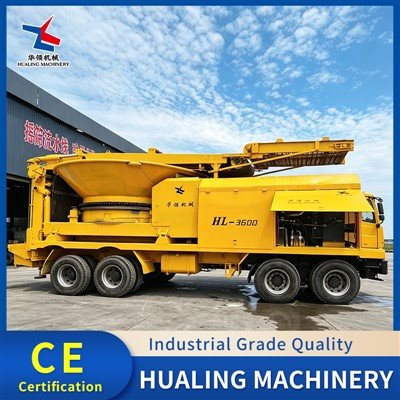
If you’re ready to learn more, or if you have specific questions about your operation, our team is here to help. We don’t just sell wood shredders; we’ve built our business on solving problems for people who are tired of wasting money on waste disposal.
Wood Chipper Machine References
- “Industrial Shredder Applications for Mixed Wood and Plastic,” Recycling Today, 2023
- “Blade Design Optimization for Dual-Material Shredding,” Journal of Material Processing Technology, 2022
- Small Business Recycling Cost-Savings Report, US Environmental Protection Agency, 2021
Shandong Hualing Machine Manufacturing Co., Ltd.
As one of the most professional wood shredder manufacturers and suppliers in China, we also support customized service with low price. Please rest assured to buy discount wood shredder in stock here from our factory. If you have any enquiry about quotation, please feel free to email us.
Address: Industrial Park, Dagong Village, Changshan Town, Zouping City, Shandong Province
E-mail: hualing@sdhualing.com
WebSite: https://www.hualingmachine.com/
