If you’ve ever worked in water treatment, irrigation, or chemical processing, chances are you’ve handled a PE ball valve. As a supplier who’s shipped thousands of these valves to industrial and commercial sites across the country, I get asked one question more than any other: Can a PE ball valve be recycled? It’s a fair question—especially now that businesses are under more pressure than ever to reduce waste, cut costs, and make their operations more sustainable. PE Ball Valve
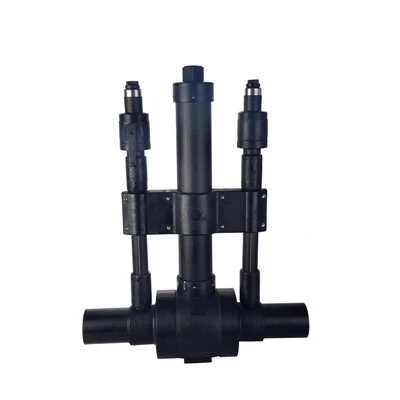
At first glance, PE (polyethylene) seems like a perfect candidate for recycling. It’s a durable, thermoplastic material, meaning it softens when heated and hardens again when cooled, unlike thermosets that can’t be reprocessed. But here’s the catch: PE ball valves aren’t just pure plastic. They have metal parts—stainless steel stems, brass or bronze balls, steel bolts and washers—and sometimes small rubber seals or O-rings. Mixing those materials makes recycling less straightforward than tossing a single pure PE product into your recycling bin. Over the years, I’ve seen clients try everything from dumping old valves in their general waste to trying to melt them down themselves, and most of the time, it doesn’t go well. Let’s break this down, because the answer isn’t a simple “yes” or “no”—it’s nuanced, and it depends on how you process the valve, how it’s been used, and who you work with.
First, let’s talk about what PE ball valves are made of. The main body, handles, and end connections of standard PE ball valves are usually high-density polyethylene (HDPE), specifically formulated for pressure applications. HDPE is one of the most widely recycled plastics in the world, with a recycling rate that’s climbed to around 30% in the U.S. and similar levels in many European countries. But the valves’ metal components? Stainless steel and brass are highly recyclable, but when they’re mixed with plastic, they can contaminate plastic batches or add extra processing steps that cost time and money. The rubber seals, meanwhile, are often EPDM or nitrile—elastomers that aren’t compatible with standard PE recycling streams. That’s why curbside recycling programs almost never accept whole PE ball valves. Their sorting facilities aren’t set up to separate those mixed materials, so even if you toss a valve in the bin, it’s likely going to a landfill anyway.
That doesn’t mean PE ball valves can’t be recycled at all. The key is industrial or specialized recycling, not municipal curbside programs. I’ve partnered with a few certified industrial recyclers over the years that have developed systems to process used valves correctly. The process starts with sorting: valves are collected from construction sites, industrial upgrade projects, or maintenance teams, then sorted by size, PE grade, and metal content. Next, workers manually or mechanically remove the metal balls, stems, and bolts, and the rubber seals are stripped off. The metal parts go through standard metal recycling streams—they’re melted down, purified, and turned into new metal products, usually without much loss of quality. The clean PE parts are then shredded into small flakes, washed to remove any residual debris, and melted into pellets. Those pellets can then be used to make new PE products, from pipe fittings to trash cans, even new PE ball valve bodies.
But here’s the thing that most people don’t mention: the quality of recycled PE from valves depends heavily on how well those valves were used. If a valve has been sitting in a system with harsh chemicals, like acids or solvents, that can break down the PE structure or leave chemical residue on the plastic. That residue makes the recycled PE unfit for pressure applications like new valves, because it could compromise safety. But if a valve was used for potable water, clean irrigation, or inert gas lines—applications where it’s never been exposed to harsh contaminants—the PE is almost as good as virgin material. I’ve seen recycled PE from properly maintained valves used to make small parts for low-pressure plumbing components, which is a win for keeping plastic out of landfills.
Of course, there are challenges. One big one is collection. Most businesses that replace PE ball valves every few years don’t have a plan for disposing of them. They either throw them away or sell them as scrap, not realizing that specialized recycling is an option. A few years back, I worked with a municipal water district that was replacing 500 old PE ball valves as part of a pipe upgrade. They were going to dump them all in a landfill until I connected them with a recycler we’d used. That project kept nearly 2,000 pounds of PE and 300 pounds of metal out of the landfill, which saved them money on waste disposal and helped them hit their sustainability targets for the year.
Another challenge is cost. Recycling whole valves takes labor and equipment—sorting, dismantling, cleaning—that adds to the process. For small-scale projects, like a contractor replacing a handful of valves for a home, it might not be worth the effort to track down a recycler. But for larger operations, like factories or water treatment plants replacing hundreds or thousands of valves, the savings on disposal and the positive environmental impact make it worth it. Some companies even offer take-back programs for PE ball valves, and as a supplier, I’ve started offering that as a value-added service for our commercial and industrial clients. We work with a certified recycler to pick up old valves when we deliver new ones, so clients don’t have to handle the hassle.
Wait, but what about reused valves? Can a PE ball valve be refurbished instead of recycled? That’s another common question. If a valve is in good shape, with no cracks, and the rubber seals are still intact, many manufacturers offer valve rebuilding services. You can replace the seals and lubricate the stem, and the valve is good as new for another 10 to 15 years. That’s even better than recycling, because it extends the product’s lifecycle without any reprocessing. I always tell clients to check if a valve can be reused before recycling it—if it’s only been a few years and hasn’t been exposed to harsh conditions, refurbishing is a much more sustainable option.
But what about end-of-life valves that can’t be refurbished? That’s where recycling comes in. There are a few common myths here: one is that PE can only be recycled once, but that’s not true for most applications. As long as the PE isn’t contaminated, it can be recycled multiple times, though it might lose a small amount of tensile strength each time. For low-pressure applications, that’s not a problem, and it’s still a huge step up from sending it to a landfill. Another myth is that mixing different types of PE ruins the batch, but recyclers can separate HDPE from other PE grades (like LDPE or MDPE) through sorting processes, so that’s manageable.
As a PE ball valve supplier, I’ve seen first-hand how the conversation around sustainability in plumbing and industrial equipment is changing. 10 years ago, no one asked if their valves could be recycled. Now, clients are asking about eco-friendly materials, waste reduction, and circular economy solutions. That’s why we’ve adjusted our business practices to meet that demand. We partner with recyclers to ensure that when our old valves reach the end of their life, they don’t end up rotting in a landfill—something that’s important to me, and something our clients care about.
If you’re a business owner, maintenance manager, or contractor, here’s what I recommend: first, when you’re replacing PE ball valves, check if the old ones can be refurbished. If they’re in good condition, that’s the most sustainable choice. If they can’t be reused, don’t throw them in the trash or curbside recycling. Look up specialized industrial recyclers in your area, or ask your valve supplier if they offer take-back programs. For smaller projects, even if you only have a few valves, it’s worth taking the time to find a recycler—many local metal scrap yards will also accept the metal and plastic components if you separate them, though the return will be small compared to large-scale projects.
At the end of the day, the answer to “Can a PE ball valve be recycled?” is yes—but only if you process them the right way. It’s not as simple as tossing a plastic bottle into your curbside bin, but with specialized recycling and a little extra effort, we can keep thousands of pounds of PE and metal out of landfills each year. As the demand for sustainable industrial products grows, we’re working on new solutions too, like valves made with recycled PE components from the start, and even better take-back programs for clients. If you’re looking for PE ball valves that are built to last, and want to work with a supplier who prioritizes sustainability, reach out to our team to discuss your project. We can help you find the right valves, and walk you through end-of-life solutions that work for your budget and your environmental goals.
PE Electrofusion Fittings REFERENCES
- American Chemistry Council. (2022). Plastics Recycling Facts and Figures.
- National Association of Plumbing-Heating-Cooling Contractors. (2021). Sustainable Practices for Industrial Plumbing Components.
- Society of the Plastics Industry. (2020). HDPE Recycling Process and Application Specifications.
- Water Environment Federation. (2022). End-of-Life Management for PE Valves in Municipal Water Systems.
Zhejiang Shengbo Pipe Fittings & Valves Industry Co., Ltd.
With abundant experience, we are one of the most professional pe ball valve manufacturers and suppliers in China. Please feel free to buy discount pe ball valve from our factory. Welcome to contact us for quotation and free sample.
Address: No. 79 Hemudu North Road, Hemudu Town, Yuyao City, Ningbo City, Zhejiang Province, China
E-mail: shengbo@zj-shengbo.com
WebSite: https://www.shengbofitting.com/
