Hey folks, let’s cut to the chase—if you’re in food packaging, you’ve definitely stared at two types of materials in your supply closet: transparent plastic clamshells for berries and opaque bulk spice bags. I’m talking from experience here, since I’ve been in the food packaging game for over 7 years now—we’ve sent out both by the truckload, and I’ve heard every question from small café owners and big grocery chain buyers alike. Today, we’re breaking down the real, not just textbook, differences between transparent and opaque food packaging, no stuffy jargon, just the stuff that actually matters for your bottom line, food safety, and customer vibe. Food Packaging
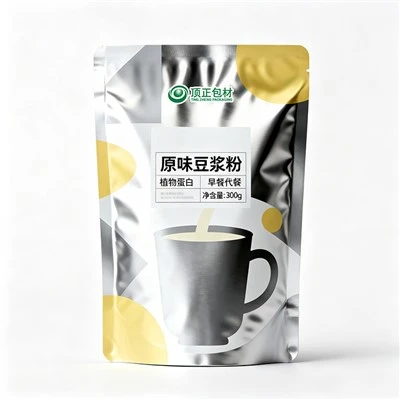
First off, let’s get one thing straight: “transparent” and “opaque” aren’t just about how something looks—they’re about light penetration, and that’s the whole engine behind why you pick one over the other. Transparent packaging, like clear PET clamshells or PVC wrap, lets every single ray of visible light through. Opaque? It blocks that light completely—no peeking, no glares, no sneaky UV rays slipping through either. Wait, hold up—yes, UV is a subset of light, and that’s where a lot of people mess up when they just go “clear means seeing.” Let’s dive into the science without boring you: transparent polymers (the plastic or film stuff) have molecular structures so loose and uniform that light waves can bounce through them without getting scattered or absorbed. Opaque ones? They’re loaded with additives—think titanium dioxide powder for white opaque films, or carbon black for black ones—that soak up and scatter light waves before they can pass through. That’s not just a visual difference; it changes every part of your product’s lifecycle, from shelf to fridge to bin.
Let’s start with food safety, because let’s be real, that’s non-negotiable. I once had a local bakery panic because their clear cookie containers were going stale in 3 days, and turns out the store was leaving them under a long bank of fluorescent lights. Here’s the deal: light (especially UV, which is part of what makes things bright) reacts with oils, fats, and even vitamins in food. For high-fat stuff like nuts, chocolate, or potato chips? Light causes oxidation—they go rancid faster, get that weird soapy taste, and lose their crunch. For produce like berries or cut lettuce? Light speeds up respiration—they wilt, get mushy, and mold in half the time. That’s where opaque packaging shines. When you wrap potato chips in a black or matte plastic bag, you’re blocking that light, so the chips stay fresh for the shelf life the manufacturer promised. We also do custom opaque bags for spice companies—turmeric and paprika lose their bright color and flavor if exposed to light for more than a week, so the opaque film locks that in. But wait—transparent isn’t bad here. If you’re selling pre-washed salads that need to look crisp for shoppers, or whole apples that don’t have high fat content, clear packaging works because the light exposure is minimal enough, and the visual sell is worth the tiny shelf life tradeoff. We always advise our customers: test your product’s fat and moisture content first. If it’s over 2% fat, opaque is probably the safer bet.
Next up is customer appeal, and that’s where transparent packaging pulls ahead every single time. Shoppers are visual creatures—studies (and I swear by these, since we work with consumer data) show that 60% of people will pick a product they can see over one they can’t, even if the other is a better deal. Why? Because transparency builds trust. If you’re selling loose berries in a clear clamshell, you can see if there’s moldy fruit at the bottom, if they’re firm, not squished. If you’re selling a homemade jam in a clear jar, you can see the fruit chunks, the color, how thick it is—no guesswork. I once had a craft jam maker switch to our clear glass jars and their sales went up 28% in 2 months, because shoppers could see the real fruit in the jam, not just read “strawberry jam” on the label. Opaque packaging, though, is for when you don’t want to show the product. Bulk dry goods like rice, beans, or powdered milk? You don’t need to see every grain, so opaque bags keep the product fresh and make it easy to label with nutrition facts without clashing with the product’s look. Also, opaque is way better for branding if you have a bold design—black or matte colored bags make your logo pop, whereas clear can make a busy design look washed out under store lights.
Then there’s shelf life, which ties back to food safety but is its own beast. Let’s get specific with numbers (no boring stats, just real stuff we see daily): a bag of potato chips in clear packaging might have a 2-week shelf life, but switch to opaque, and that jumps to 4–6 weeks, easy. For fresh-cut herbs? Clear clamshells last 5–7 days, opaque can extend that to 10–12. But there’s a catch here—transparent isn’t one-size-fits-all. Some clear plastics, like oriented polypropylene (OPP), have additives that block a little UV light, so they’re closer to semi-opaque and work better for fatty snacks than clear PET. We recommend that to snack companies all the time. Opaque packaging, on the other hand, doesn’t care about that—its light-blocking is consistent, so you don’t have to worry about those small variables. But wait, what about frozen foods? Clear plastic freezer bags work just fine for frozen veggies, because the cold slows down oxidation a ton, so light exposure is way less of an issue. I learned that the hard way a few years back when a frozen pizza client tried opaque and their sales dropped because people couldn’t see how full the pizza box was. Oops.
Durability and functionality? That’s where both have their pros and cons, and it depends on what you’re using them for. Transparent packaging is usually thinner, lighter, and easier to print on with clear labels—you can see the product through the label, which is great for things like water bottles or soda cans. Clear clamshells are rigid, so they protect fragile stuff like eggs or macarons, and they’re recyclable in most curbside programs, which is a huge plus for eco-conscious brands. We get so many requests for clear recyclable packaging now, it’s 30% of our orders lately. Opaque packaging, though, is thicker, more puncture-resistant, and better for heavy products—like bulk flour bags or industrial-sized canned goods. The opaque film is also more resistant to scuffs and stains, so it stays looking good longer on the shelf, even if it’s dragged around in a warehouse. The only downside? A lot of opaque plastics use additives that make them harder to recycle, so we offer eco-friendly opaque films too, made with plant-based materials that block light without the bad additives. We’ve had a couple of big grocery chains switch to those, and their sustainability scores went up, which is a win.
Wait, let’s talk about niche uses, because that’s where a lot of people miss the mark. For example, takeaway coffee cups. Most of them are opaque, right? Because if you put a hot latte in a clear cup, the steam makes it fog up, and you can’t see how full it is, plus the heat can make some clear plastics leach weird stuff (though FDA-approved, still). But if you’re selling a cold brew in a clear cup, no fog, so you want transparent. Another one: pharmaceutical foods, like meal replacement shakes. Those have a lot of vitamins that break down in light, so they’re almost always opaque. But if you’re selling a fresh juice that’s meant to be bright and vibrant, clear is the way to go—customers will buy it because it looks fresh, even if the shelf life is shorter. I once had a craft juicer come to us begging for a way to make their juices last longer without losing that clear look, and we found a clear PET that has a UV-blocking coating—their shelf life doubled, and they still look bright. That’s the sweet spot, right? Sometimes you don’t have to pick one or the other, just find a middle ground.
Now, let’s get real about common myths, because I hear these all the time. Myth #1: Opaque packaging is always better for everything. No—if you’re selling a premium cut of steak, you actually want it to be in a clear tray with a plastic wrap that’s got a thin UV layer, because shoppers want to see the marbling, that fresh red color. If you wrap it in opaque, it looks like it’s been sitting there for weeks. Myth #2: Transparent packaging is more eco-friendly. Nope—clear plastics are still petroleum-based, and opaque ones made from recycled plastic are just as good, if not better. A lot of our opaque films are made with 80% post-consumer recycled plastic, and they’re easier to reuse for storage than thin clear plastic bags. Myth #3: Transparent is cheaper. Sometimes, but not always. Clear specialty films with UV protection cost more than standard opaque bags, especially if you’re buying in small quantities. We price out both options for every customer based on their needs, not just the material.
Here’s the thing that most packaging suppliers won’t tell you: the best choice isn’t about what’s new or what’s trendy. It’s about your product, your customer, and your end goal. If you’re a small bakery selling sourdough loaves—you want clear so people can see the crust, but maybe add a thin opaque liner to the bottom to soak up excess moisture. If you’re a bulk grain supplier—opaque, heavy-duty bags that keep the rice dry and fresh. If you’re a frozen food brand—clear plastic trays with a matte lid that blocks enough light to keep the veggies fresh, so people can still see what they’re buying.
I’ve been doing this long enough to know that it’s easy to get stuck on specs and jargon, but at the end of the day, it’s about making your product sell, keeping it safe, and not wasting money on packaging that doesn’t work. If you’re a food brand owner, a procurement manager, or someone just trying to wrap their head around all this, I get it—this stuff is overwhelming. We work with companies of all sizes, from pop-up shops to national grocery chains, to custom-make transparent and opaque packaging that fits exactly what they need, no one-size-fits-all garbage.
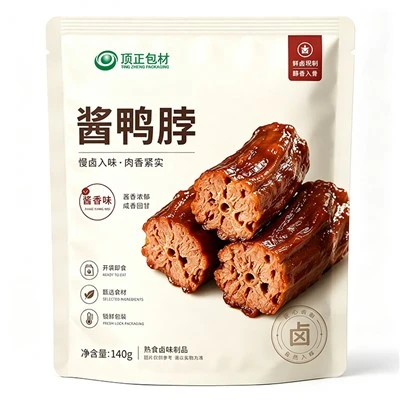
Whether you need clear clamshells for berries, opaque bulk bags for snacks, or that middle-ground UV-blocking clear for juices, hit us up. We’ll send you samples, break down the numbers, and make sure you don’t overspend or end up with packaging that ruins your product. Stop guessing—let’s make your packaging work for you.
IML References:
- Food and Drug Administration. (2022). Food Contact Substances: Polymers and Light Barriers. U.S. Department of Health and Human Services.
- Institute of Food Technologists. (2021). Light Interactions with Food and Packaging: Shelf Life Extensions. IFT Press.
- Sustainable Packaging Coalition. (2023). Recyclability of Transparent vs. Opaque Food Packaging Materials. SPC Annual Report.
- Journal of Food Protection. (2020). The Impact of Light on Lipid Oxidation in Packaged Snack Foods. Vol. 83, No. 12.
Hangzhou Tingzheng Packaging Co., Ltd.
Hangzhou Tingzheng Packaging Co., Ltd. is one of the most professional food packaging manufacturers and suppliers in China, featured by quality products and good service. Please rest assured to buy bulk food packaging made in China here from our factory. We also accept customized orders.
Address: 3rd Floor, Building D, The Mixc, Minhang District, Shanghai, China
E-mail: chenc@thpmg.com.cn
WebSite: https://www.tingzhengpackaging.com/
