Hey there, if you’re someone who’s ever had to deal with a water well rig shifting mid-job—especially after a random quake—you know how much of a headache that turns into. Let’s cut through the jargon and talk about seismic resistance for these rigs, ‘cause when you’re supplying rigs that work in quake-prone areas, this isn’t just a “nice-to-have”—it’s non-negotiable. I’m not here to throw you a bunch of textbook terms; I’m gonna break this down like we’re chatting over a coffee (and maybe a cold beer after a long day on site). Water Well Drilling Rig
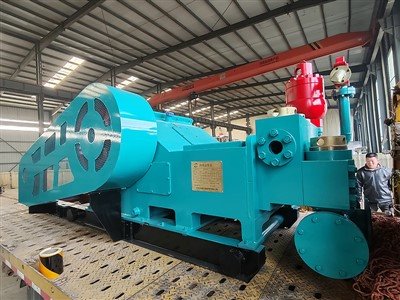
First off, let’s get one thing straight: seismic requirements don’t exist in a vacuum. They depend on where you’re dropping that rig, right? Like, a rig built for California’s San Andreas Fault is way different than one for the middle of Kansas, where quakes are few and far between (though yeah, even Kansas has had some small ones lately—thanks, fracking, but that’s another convo). The whole point here is keeping the rig from moving, tipping, or breaking when the ground shakes, so you don’t lose thousands in repairs, waste days on a job, or worse, put your crew at risk.
Let’s start with the basics of how earthquakes affect these rigs. A water well drilling rig is a big, heavy beast—think tons of steel, engines, drill pipes, and all those moving parts. When the ground shakes, it’s not just side-to-side—it’s up and down, rotational, all kinds of weird forces. If the rig isn’t anchored right, or its center of gravity is off, that shake can make it lurch, tip over, or have parts (like the mast, which is that tall vertical arm that holds the drill) snap right off. I’ve seen a rig that wasn’t anchored properly during a 4.2 quake in Arizona—mast bent, drill pipes tangled, crew lucky no one got hurt. That’s the kind of stuff we build our rigs to prevent.
So what actually goes into making a rig seismically sound? Let’s break it down into the big areas we as suppliers focus on, ‘cause that’s what you care about if you’re buying one.
First, site-specific seismic mapping. We don’t just slap a “this rig is quake-proof” label on every model—no way. We use USGS seismic hazard maps (or local ones, if you’re outside the US) that tell us the peak ground acceleration (PGA) for the area. PGA is basically how strong the shaking is at a given spot, measured in g-forces (1g is normal gravity). For example, areas with a 0.5g PGA have way stronger shaking than 0.1g areas, so the rig has to handle more force. If you’re buying a rig for Seattle, where PGA can hit 0.7g in some zones, our rigs have to be engineered to handle that, not just the 0.2g for a low-risk area. That’s why we always ask customers for their site location first—can’t cut corners here.
Next up is structural design of the rig itself. The main parts we tweak are the base, the mast, and the chassis (if it’s a mobile rig, which most are these days). Let’s start with the base: a lot of smaller rigs use skid bases, but for seismic zones, we upgrade those to thicker steel I-beams, reinforced with cross-braces that don’t flex. Cross-braces are those X-shaped steel pieces that keep the base from twisting when the ground shakes—without ‘em, even a small shake can make the base warp, and then everything else goes wrong. For mobile rigs, we also add chassis reinforcements, like extra gussets (those triangular steel plates that connect parts) where the engine and pump mount, ‘cause those are heavy and take a lot of force during a quake.
Then the mast—this is make-or-break. The mast holds the drill, which can be 100+ feet underground, so if the mast moves or bends, the drill can get stuck, or the whole rig shifts off-line. We do two main things here: first, we calculate the natural frequency of the mast. Wait, what’s that? Every structure has a frequency it vibrates at when shaken. If that frequency matches the frequency of a typical quake, the mast will resonate—vibrate way more than it should—and break. So we tune the mast’s natural frequency to be way outside common quake frequencies (which are usually 1-10 Hz, by the way). Second, we add seismic restraints for the mast. These are steel cables or hydraulic clamps that hold the mast in place during a quake, so it doesn’t sway. I saw a test last year where a rig without restraints had the mast sway 3 feet during a simulated quake; with restraints, it was less than 6 inches. No contest.
Anchoring is another huge one, and this is where we as suppliers sometimes have to guide customers, not just build the rig. Wait, why? ‘Cause a rig is only as good as its anchor, right? If you buy our top-seismic rig and set it on loose dirt with 2-foot stakes, it’s gonna tip. So we specify two main anchor types: screw anchors (for soft soil, like sand or clay) and concrete anchors (for hard rock or dense soil). For high-seismic zones, we recommend 4 screw anchors per corner of the skid, each 10+ feet deep, instead of the standard 6 feet. For mobile rigs, we also have hydraulic jacks that lock the rig to the ground when it’s drilling—those jacks have pressure relief valves that adjust during a quake, so they don’t snap or let the rig shift. That’s a key feature we add to our seismic-rated models; the standard ones just lower, not lock in place.
Wait, what about the moving parts, like the engine, pump, and drill controls? They can’t just be loose, either. If a quake hits, a loose pump might slam into the engine, or a control panel could fall off, and then you’re not just dealing with structural damage—you’re dealing with fluid leaks (diesel, hydraulic fluid) or electrical shorts. So we add seismic bracing to all mounted components: rubber isolators between the parts and the base (to absorb vibration) and metal brackets that are bolted through the skid, not just screwed. We also test these components under simulated quake forces—we’ve got a shake table in our warehouse that can replicate PGA up to 0.8g, so we can stress-test every part before it leaves the factory. No cutting corners here; we run each seismic model through 5+ test runs at different shaking levels before it’s certified.
Certifications matter too, right? A lot of customers ask, “Is this rig actually seismically rated, or did someone just say it is?” We follow two main standards here: ASCE 7 (that’s the American Society of Civil Engineers standard for seismic loads on structures) and ISO 10816 for mechanical vibration. ASCE 7 is big ‘cause it tells us exactly how much force a structure needs to handle based on its use—water well rigs are classified as “essential facilities” sometimes, so we have to meet higher load factors. ISO 10816 makes sure the moving parts don’t vibrate so much that they fail during a quake, which is important ‘cause a broken pump means no drilling, period. We also provide a test report with every seismic rig, so you can show your local inspector (if you need it, which most places in high-seismic zones do) that it’s up to code.
Now, let’s talk about real-world scenarios, ‘cause numbers are fine, but actual jobs are what count. Last year, we sold a batch of seismic-rated rigs to a drilling crew in Oklahoma—they’ve had a lot of small quakes (the man-made kind, but still, quakes) from oil and gas operations. A couple months after they set up, there was a 5.1 quake. They texted us right after, saying the rig didn’t move an inch—no broken parts, no down time. The same crew had a non-seismic rig at another site that got the mast bent 2 inches, and they were down for 3 days fixing it. That’s the difference our seismic specs make. Another example: a customer in Peru, where the Nazca Plate causes big quakes, bought our rigs with reinforced masts and screw anchors. During a 6.8 quake, they were drilling a 500-foot well, and the rig stayed aligned—they finished the well 2 days early, ‘cause they didn’t have to troubleshoot a misaligned drill. That’s money saved, plain and simple.
Wait, but let’s be real—seismic requirements aren’t one-size-fits-all. What if you’re drilling in an area that’s low-risk, like parts of the Midwest? You don’t need the full 0.8g rig; you can go with a lighter seismic spec that’s cheaper. As a supplier, we don’t push the most expensive model on everyone—we ask about your site’s PGA, soil type, and typical quake history, then recommend the right rig. That’s how we work, not like some big corp that sells you the top-tier even if you don’t need it.
Common mistakes we see buyers make: skimping on anchors. Like, they think “a few stakes will do,” but no—soil condition changes, and a quake’s force is way more than a little wind. Another mistake: not maintaining the seismic features. The hydraulic jacks on the rig need to be checked every 6 months, the cross-braces need to be inspected for rust, and the mast restraints should be tightened if they get loose. We send every customer a maintenance guide specific to the seismic features, ‘cause even the best rig won’t work if you don’t keep it up.
Let’s wrap this up for you. If you’re in the market for a water well drilling rig, don’t just look for price—look for seismic specs that match your site. Ask the supplier for their test reports, what standards they follow, and if they can adjust the rig for your specific PGA zone. As a supplier, we make our seismic rigs with the crew and job in mind—no one wants a rig that’s a hazard when the ground shakes.

If you’re ready to chat about your needs, whether you’re drilling in a quake zone now or planning for future jobs, reach out. We can walk through the specs, show you the test data, and make sure you get a rig that’s safe, reliable, and actually fits your site. No pushy sales stuff, just straight talk about what works.
Mud Pump References
- American Society of Civil Engineers (ASCE). Minimum Design Loads and Associated Criteria for Buildings and Other Structures (ASCE 7-22).
- International Organization for Standardization (ISO). Mechanical Vibration – Evaluation of Machine Vibration by Measurements on Non-Rotating Parts (ISO 10816-1:2018).
- U.S. Geological Survey (USGS). National Seismic Hazard Map.
- Water Well Drilling Contractors Association (WWDCA). Seismic Best Practices for Drilling Rigs, 2021.
Hebei Zhongxin Machinery Equipment Co., Ltd.
As one of the most experienced water well drilling rig manufacturers in China, we also support customized service. We warmly welcome you to buy high quality water well drilling rig for sale here from our factory. If you have any enquiry about pricelist, please feel free to email us.
Address: Wangxizhang Industrial Zone, Zhao County, Shijiazhuang City, Hebei Province, China
E-mail: zxnjbzg@163.com
WebSite: https://www.hbzxdrilling.com/
