If you’ve ever reached for a durable, flexible component in a consumer good, automotive part, or medical device, chances are good it’s made in part or whole from TPEE—thermoplastic polyester elastomer. As a TPEE supplier, I get questions about its properties all the time, and one of the most frequent is: “What’s the hardness range of TPEE?” It’s a valid question, because hardness isn’t just a number—it’s a direct indicator of how a TPEE will perform, whether it’s bending under stress, holding its shape over years of use, or fitting into tight manufacturing tolerances. Let’s break this down, straight from the people who make TPEE day in and day out, no textbook jargon that doesn’t matter for your team’s needs. TPEE
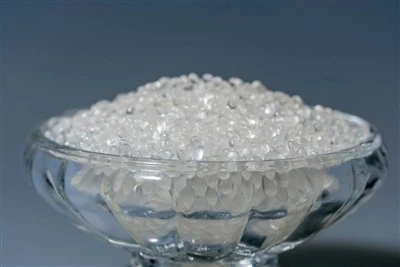
First, a quick reality check: TPEE is a thermoplastic elastomer, which means it’s a mix of rigid, crystalline polyester segments (think hard, strong building blocks) and flexible, amorphous ether or ester segments (the soft, stretchy parts that give it give). The ratio of these two is exactly what controls hardness—and that’s why TPEE has such a wide range, way broader than many other thermoplastic elastomers like TPU or silicone, for that matter. We don’t just make one “standard” TPEE here; we tailor the hardness to whatever our customers need for their specific application, and that range is roughly Shore 25A up to Shore 78D. Wait, let’s clarify that Shore scale thing, because it’s confusing for anyone who doesn’t work with elastomers every week. Shore A is for softer, rubber-like materials, perfect for gaskets, seals, or bumpers. Shore D is for harder, more rigid materials, ideal for things like gear housings, cable jackets, or structural components. That’s not a random split—at around Shore 95A to Shore 20D, there’s a transition zone where TPEE shifts from soft, squishy rubber to hard, plastic-like material. It’s a seamless range, not a hard cutoff, which is why TPEE is so versatile.
Let’s go into the lower end first, because that’s where a lot of our customers who make soft consumer goods or medical parts come in. Our softest TPEEs check in at Shore 25A, which is basically as soft as a high-quality rubber eraser. Wait, no—actually, it’s even softer than that. A pencil eraser is around Shore 40A, so Shore 25A TPEE is more like the soft, grippy rubber on a phone case that you squish between your fingers and it bounces right back. We don’t stop at 25A, either; we have grades all the way up to Shore 90A, which is much firmer—think the hardness of a new basketball or the tread on a car tire. These mid-range soft TPEEs are popular for things like door seals on appliances, medical tubing that needs to bend without kinking, and the soft touch grips on power tools. The great thing about these lower Shore A grades is that they retain TPEE’s other key properties: resistance to oil, heat, and UV light, way better than natural rubber or even some TPUs. That’s why a lot of outdoor equipment manufacturers switch to these grades—their seals don’t crack after a year of sitting in the sun, like old rubber ones do.
Now, moving up the range to the harder grades, which are more common in automotive, industrial, and electronics applications. Once you cross that transition zone around Shore 95A, we start moving into Shore D hardness. Our hard TPEE grades start at Shore 25D, which is as hard as a cheap plastic ruler, and go all the way up to Shore 78D. Wait, that’s not the same as a rigid plastic, right? No, that’s the whole point of TPEE—it’s still flexible, even at Shore 78D. A rigid polypropylene plastic at Shore 80D would shatter if you bend it, but our 78D TPEE can be bent repeatedly, stretched slightly, and still hold its shape. That makes these grades perfect for things like cable jackets that need to resist being chewed through by rodents, gear components for small appliances, and the structural parts of wearable tech that need to be tough but not brittle. For example, a customer of ours who makes automotive window regulators uses Shore 70D TPEE for the sliding components because it’s hard enough to handle the constant friction of moving the window up and down, and flexible enough to absorb small impacts from road vibration, so it doesn’t break over time.
I need to be honest with you here—this range isn’t universal across every TPEE supplier. Some suppliers cut corners by making grades that don’t actually hit the advertised hardness, or they skip the middle transition zone, so you only get soft A grades and hard D grades with nothing in between. That’s a problem for customers who need, say, Shore 55A for a custom gasket, because they’ll have to choose between something too soft or too hard, or compromise on performance. At our facility, we’ve invested in custom compounding equipment that lets us dial in hardness to within 1 Shore unit, no matter where you are on the scale. That means if you need a TPEE that’s exactly Shore 62A, not 60A or 65A, we can make that for you, which eliminates design headaches for our customers. For example, a medical device maker recently came to us complaining that their old TPEE gaskets either leaked because they were too soft or were too stiff to fit into the housing because they were too hard. We supplied them with Shore 62A TPEE, which fits perfectly, seals correctly, and meets all their ISO standards for biocompatibility.
You might be wondering, why does the hardness range of TPEE matter so much for end use? Let’s tie this to real-world performance, not just numbers. If you pick a TPEE that’s too soft for an application, it will sag, stretch out over time, or wear down quickly under load. If it’s too hard, it won’t absorb impact, it will crack when bent, or it won’t form a tight seal. For example, take a children’s toy: the soft rubber grip on a toy shovel needs to be around Shore 40A, so a kid can hold it comfortably, but not so soft that it stretches out after a few uses. If you use a Shore 80A TPEE for that grip, it’s stiff and uncomfortable, and kids won’t play with it. On the flip side, a gear for a construction tool needs to be around Shore 65D to handle the torque of the tool—use a Shore 50D TPEE, and the gear will strip after a few days of use. That’s why getting the hardness right is the first step in choosing the right TPEE, and it’s also why working with a supplier who can deliver the exact hardness you need is so important.
Another point: TPEE hardness isn’t just about the Shore scale—it also correlates with other properties that matter for performance. Softer TPEE grades (lower Shore A) generally have higher elongation at break, meaning they can stretch further before breaking, while harder grades (higher Shore D) have higher tensile strength, meaning they can handle more force before breaking. That trade-off is inherent to the material, but it’s not a flaw—it’s a design feature that lets us match TPEE to what you need. For example, the Shore 25A TPEE I mentioned earlier has an elongation of over 700%, so it can stretch to 7 times its original length without breaking, which is perfect for stretchable medical tubing. The Shore 78D TPEE has a tensile strength of over 50 MPa, which is stronger than many low-grade plastics, so it’s ideal for load-bearing parts.
I also get asked a lot, “Can you adjust the hardness of TPEE after it’s made?” The short answer is no, not easily. TPEE’s hardness is set during the compounding and extrusion process, when we mix the hard and soft segments to get the exact ratio you need. You can’t take a piece of Shore 50A TPEE and make it harder or softer post-manufacturing, which is why getting the hardness right from the start is key. That’s why we work closely with our customers early in their design process—we don’t just sell them TPEE and wait for them to tell us it’s not working. We ask questions about what the part will do, what temperatures it will see, how much stress it will handle, and then we recommend the right hardness grade for their application.
Now, let’s talk about common misconceptions. Some people think TPEE is only for soft applications, but no—our hardest TPEE, Shore 78D, is almost as hard as many ABS plastics, but it’s still thermoplastic, meaning it can be injection molded, extruded, or 3D printed, just like other plastics. That opens up a lot of new use cases that people don’t associate with elastomers, like custom jigs and fixtures for manufacturing, or even structural parts for small drones that need to be light and tough. On the other end, some people think soft TPEE is just as durable as rubber, but while it’s more durable than many rubbers, it does have a lower temperature limit than some specialized rubbers, which is something we always disclose to our customers.
If you’re reading this, chances are you’re either designing a new part that uses TPEE, or you’re looking to switch from an older material to TPEE for better performance. The first step is getting the hardness right, because that’s the foundation of everything else. If you’re not sure what hardness grade you need, don’t guess—reach out to a TPEE supplier who has real-world experience, not just a catalog of numbers. We’ve worked with hundreds of customers across automotive, medical, consumer goods, industrial, and electronics, so we can help you narrow down the best hardness grade for your specific application, no matter how unique it is. We also offer sample grades, so you can test the hardness and performance before committing to a full order, which takes the risk out of the process.

At the end of the day, the hardness range of TPEE isn’t just a technical spec—it’s a reflection of how versatile the material is. From soft, stretchable medical tubing to hard, durable industrial gears, TPEE can be tailored to fit almost any need, as long as you have a supplier that can deliver the exact hardness grade you require. If you’re ready to discuss your next project, whether you need a Shore 25A soft grip, a Shore 60A seal, or a Shore 75D structural component, we’re here to help you find the right TPEE solution.
TPE References
- Coran, A.Y., and Patel, R. (2008). Thermoplastic Elastomers: Properties and Applications. Hanser Gardner Publications.
- Molecular Structure and Properties of Thermoplastic Polyester Elastomers. (2015). Journal of Elastomers and Plastics, 47(3), 219-245.
- Shore Hardness Testing Standards for Elastomers. (2020). ASTM International Standard D2240.
- TPEE Compounding for Custom Hardness Grades. (2019). Plastics Engineering, 75(6), 32-37.
Kunshan Kesun Polymer Co., Ltd.
Kunshan Kesun Polymer Co., Ltd. is one of the most professional TPEE manufacturers and suppliers in China, featured by quality products and low price. Please feel free to wholesale bulk eco-friendly TPEE from our factory. Contact us for customized service and free sample.
Address: No.108,Jinmao Road,Zhoushi Town,KunShan ,Jiangsu,China
E-mail: melody_yang@kesuntpe.com
WebSite: https://www.kesun-tpe.net/
