Can SPC Wall Panels be used in religious buildings?
As a supplier of SPC (Stone Plastic Composite) wall panels, I’ve often been asked about the suitability of our products for religious buildings. This is a topic that combines the practical aspects of construction materials with the cultural and spiritual significance of religious spaces. In this blog, I’ll explore the various factors that determine whether SPC wall panels can be used in religious buildings, considering both the technical and aesthetic requirements. SPC Wall Panels
Technical Suitability of SPC Wall Panels
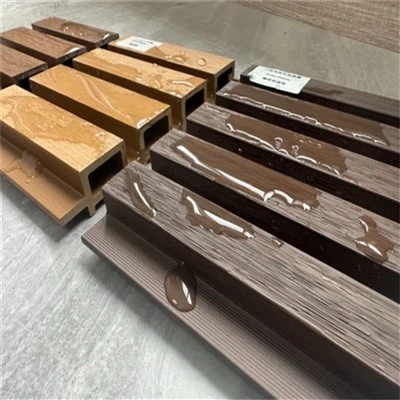
SPC wall panels are known for their durability and functional advantages. Firstly, they are highly resistant to moisture. In many religious buildings, there may be areas where moisture is a concern, such as near baptismal fonts or in damp climates. SPC panels will not warp, swell, or rot as traditional wood panels might in these conditions. This makes them a practical choice for long – term use, ensuring that the interior walls of a religious building remain in good condition.
Another technical benefit is their fire – resistance. Safety is of utmost importance in any building, especially in religious buildings that often host large gatherings. SPC wall panels are typically designed to have a certain level of fire – retardant properties. They will not catch fire easily and can slow down the spread of flames in case of an emergency, providing precious time for evacuation.
In terms of installation, SPC wall panels are relatively easy to install. They usually come with a click – lock system, which means that installation can be completed without the need for complex construction techniques. In a religious building renovation or new construction project, this can save time and labor costs. For example, if a small religious community is looking to update their chapel on a budget, the ease of installation of SPC wall panels can be a significant advantage.
Aesthetic Compatibility
Religious buildings often have a distinct aesthetic, which is closely related to their religious traditions and cultural backgrounds. One of the concerns about using SPC wall panels in these settings is whether they can meet the high – end aesthetic requirements.
SPC wall panels come in a wide range of designs and textures. There are options that mimic the look of traditional materials like wood, stone, or marble. For a Catholic cathedral with a long – standing tradition of using stone and marble in its interior decoration, SPC panels with a marble – like finish can be used to create a similar grand and solemn atmosphere.
In addition, the smooth surface of SPC wall panels can provide a clean and modern look, which can be suitable for contemporary religious buildings. For example, some modern Protestant churches are designed with a minimalist aesthetic. SPC wall panels in simple colors and smooth textures can help to achieve this clean and uncluttered look, while also providing the necessary functionality.
We can also customize the patterns and colors of SPC wall panels to match the specific religious and cultural themes of a building. If a mosque wants to incorporate Islamic geometric patterns on its walls, we can work with the designers to create wall panels with these patterns, combining modern technology with traditional religious art.
Cultural and Spiritual Considerations
Religious buildings are not just physical structures; they are places of worship and spiritual significance. The use of any material in these buildings must respect the religious beliefs and cultural traditions associated with them.
When considering SPC wall panels, it’s important to understand the historical use of materials in the specific religious context. In some religious traditions, certain materials like wood or clay have deep symbolic meanings. However, as long as the new materials do not conflict with these symbolic values, they can be incorporated. For instance, if a local religious community has a long – standing tradition of using wood for its warm and natural feel, we can offer SPC panels with a wood – like appearance, which can still provide a similar sense of connection to the traditional material while enjoying the advantages of modern technology.
It’s also important to involve the religious authorities, clergy, and the local community in the decision – making process. Their insights and preferences play a crucial role in determining whether SPC wall panels are appropriate for a particular religious building. For example, before starting a renovation project in an Orthodox church, we should consult with the priests and the parishioners to ensure that the use of SPC wall panels aligns with their religious and cultural values.
Environmental Impact
In today’s context, environmental sustainability is an important consideration for any construction project, including those of religious buildings. SPC wall panels have some environmental advantages.
Most SPC wall panels are made from recycled materials. The composite nature of the panels often includes recycled plastics and minerals, which reduces the demand for virgin materials. In addition, compared to some traditional building materials, the production process of SPC wall panels generally consumes less energy.
For religious institutions that are committed to environmental stewardship, the use of SPC wall panels can be seen as a way to align their construction and renovation projects with their values of taking care of the environment. For example, a Quaker meeting house that emphasizes simplicity and environmental responsibility may find SPC wall panels to be a suitable choice.
Case Studies
There are already some successful cases where SPC wall panels have been used in religious buildings. In a small rural chapel, SPC wall panels with a wood – grain finish were installed during a renovation. The panels not only provided a warm and inviting atmosphere similar to the traditional wood interior but also withstood the damp conditions in the area. The local clergy and the parishioners were very satisfied with the result, both aesthetically and functionally.
In a modern – style synagogue, SPC wall panels with a clean and metallic – like finish were used to create a contemporary and spiritual space. The panels’ smooth surface reflected the soft lighting, enhancing the overall sense of peace and tranquility in the synagogue.
Conclusion
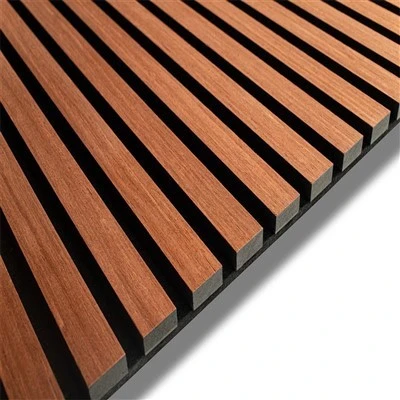
In conclusion, SPC wall panels can be a viable option for religious buildings. Their technical advantages, such as durability, moisture – resistance, and fire – retardancy, make them a practical choice. The wide range of aesthetic options and the ability to customize patterns and colors allow them to meet the diverse aesthetic requirements of different religious traditions. While considering cultural and spiritual values is essential, with proper consultation and understanding, SPC wall panels can be integrated into religious buildings without compromising their significance.
Other Wall Panels If you are involved in a religious building project, whether it’s a renovation or a new construction, I encourage you to explore the potential of SPC wall panels. Our team of experts is ready to work with you to find the most suitable solutions for your specific needs. We can provide detailed information, samples, and professional advice. Please reach out to us to start a discussion about how SPC wall panels can enhance your religious building.
References
- Building Materials Handbook, various editions.
- Architectural Design for Religious Spaces: A Global Perspective, multiple authors.
- Environmental Impact Studies of Composite Building Materials, several research papers from environmental and construction – related journals.
Shandong Dowell Decorative Material Co., Ltd.
Address: Room 913, 9th Floor, International Trade Service Center, No. 100 Lingong Road, Comprehensive Bonded Zone, Chaoyang Street, Yihe New District, Linyi City, Shandong PR, China
E-mail: info@dowellpanel.com
WebSite: https://www.dowellspcfloor.com/
