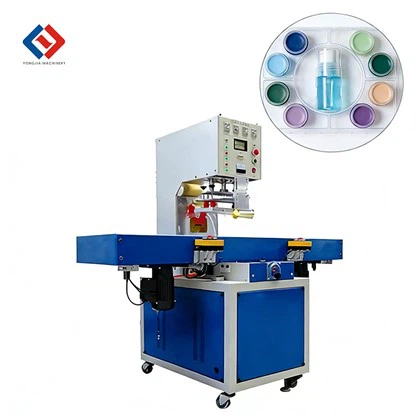
Hey everyone, I’m Jake, part of the team that runs the urine bag and blood bag production line supply side – so I deal with the actual machines and processes that make these critical medical products day in and day out. A question pops up all the time from my clients, whether they’re small clinics or big medical device factories: “How do you make sure the bags don’t leak, break, or fail when they’re used?” Let’s cut to the chase here – this isn’t just about slapping a “quality check” stamp on a box; it’s a step-by-step, hands-on thing that we live and breathe because if these bags mess up, someone’s health is on the line. Urine Bagblood Bag Production Line

First off, let’s get what we’re making straight: urine bags are for collecting patient waste, blood bags are for storing and transporting blood products, and both have zero room for error. A leaky blood bag could mean wasted blood for a transfusion, or even infection if it’s not sealed right. A urine bag that breaks mid-use is a nightmare for nurses and patients alike. So, the quality control starts way before the production line even runs – it’s all in the materials we pick.
I don’t care how good a machine is if the raw stuff is trash. That’s why every roll of PVC or multi-layer film we bring in gets the side-eye before it even hits the line. We don’t just take the supplier’s word for it – our techs run spot checks on tensile strength, thickness, and seal adhesion. For example, if the PVC is too thin, it’s gonna tear easy. If the layers of the multi-material film (we use that for blood bags mostly) don’t stick together right, the seal will split. We test a sample roll by pulling a small section apart, checking if the layers delaminate, and measuring how much force it takes to break it. We also make sure there’s no residual chemicals in the plastic – because we can’t have weird stuff leaching into blood or urine, right? That’s a quick chemical screening we do with every batch; if it fails, the whole roll goes back, no questions.
Next up, the production line’s set-up. I’ve seen too many factories cut corners here, messing with machine settings to run faster and then wondering why half the bags are bad. Our line’s calibrated every single morning before we start a run – not just a once-a-month calibration, daily. The heat sealers, which are the parts that weld the bag edges and the ports, are super finicky. Too hot, and the plastic burns, making weak seals. Too cold, and the seal doesn’t bond at all, leading to leaks. We check the seal temperature with a digital thermometer, not just the machine’s display, because displays can be off. We also test the seal pressure – if it’s too high, it squirts out the port openings; too low, and the seal doesn’t hold. Every hour, our operator takes a test bag, fills it with water, and squeezes it hard to see if any leaks come through. If a leak shows up, we stop the line immediately to adjust settings, not after a whole batch is bad.
Then there’s the actual assembly of the bags, which has small parts that are easy to mess up – like the drainage valves for urine bags, or the needle ports for blood bags. We have sensors on the line that check every single part: does the valve snap into place correctly? Is the port aligned so it doesn’t get blocked? These aren’t just fancy add-ons; they stop a lot of human error. I’ve had operators tell me, “I saw the port was off but thought it’d be fine,” and the sensor caught it before it got to packaging. For blood bags, we also check for air bubbles when we’re filling them – air in the line can mess up the blood storage later, so we have a de-aeration step on the line that we test weekly to make sure it’s working.
Now, the big one: in-line and final quality checks. In-line is when we’re running, every 20 minutes we pull 5 bags, fill ’em with 500mL of water (for urine bags, we use a standard volume), pressurize ’em to 10psi, and leave them for 10 minutes. If a single bag leaks during that, we pull the last 100 bags we made and re-test, plus adjust the line settings. At the final check, before packaging, we do a visual inspection of every bag – no scratches, no misprinted labels, no loose parts. Then, once packaged, we do a 10% random sample audit: we open the packaging, check the seal again, test the contents for pH (to make sure it’s compatible with medical use), and even check the packaging itself for water vapor transmission – because if the packaging gets damp, the bags inside could get contaminated.
Wait, let’s not forget validation and documentation. Every time we change a material roll, or adjust a machine setting, we log it. And we do full line runs once a month to validate the whole process – run 1000 bags, test every single one, make sure the quality stays consistent. That’s for compliance too, but honestly, it’s for our peace of mind. If a client comes back with a bad batch, we can pull our logs, see what happened, and fix it instead of shrugging it off.
Also, our team is trained non-stop. I mean, we don’t just train new hires once and call it a day. We do monthly refreshers on seal checks, material specs, and how to spot a defect. Even our line operators, who’ve been here 5 years, have to pass a quarterly test on quality protocols. Because a tired or un-trained operator is the #1 cause of avoidable defects. Last year, we had an operator who was pulling too many quick test samples, so we did a mock drill where someone cut corners – we caught it before it caused a problem.
Now, I know a lot of people out there might be thinking, “This sounds like a lot of work.” It is, but when you’re supplying products that are used in hospitals, clinics, and emergency rooms, cutting corners isn’t an option. The urine and blood bags we help produce aren’t just plastic bags – they’re part of patient care. A leaky blood bag during a transfusion could mean a life-threatening reaction; a urine bag that fails mid-surgery is a disruption that no one needs.
If you’re a clinic manager, a medical device factory owner, or someone who sources these bags, and you’re tired of getting batches that have defects, or your current supplier cuts corners to save a buck, hit us up for a chat. We don’t do shady practices, we don’t skip quality checks, and we’ll walk you through exactly how our line works to ensure every bag that leaves our facility is up to par. Just reach out, and we can break down your specific needs – whether you’re making small batches for a local clinic or large runs for a hospital network.
Medical Blister Packaging Machine References:
- ISO 11135:2014, Sterilization of health care products – Requirements for validation and routine control of ethylene oxide sterilization
- ASTM D412:2018, Standard Test Methods for Vulcanized Rubber and Thermoplastic Elastomers – Tension
- International Organization for Standardization. (2020). Medical devices – Single-use sterile medical devices – Part 1: General requirements
- FDA. (2022). Quality System Regulation (QSR) for Medical Devices – 21 CFR Part 820
Dongguan Yongjia Machinery Equipment Co., Ltd.
We are one of the most reliable urine bagblood bag production line manufacturers and suppliers in China, specialized in providing high quality customized service. Please feel free to wholesale advanced urine bagblood bag production line at low price from our factory. For quotation, contact us now.
Address: No. 240, Chashan South Road, Chashan Town, Dongguan City, Guangdong Province, China
E-mail: info@yjwelding.com
WebSite: https://www.yjhighfrequencymachine.com/
